


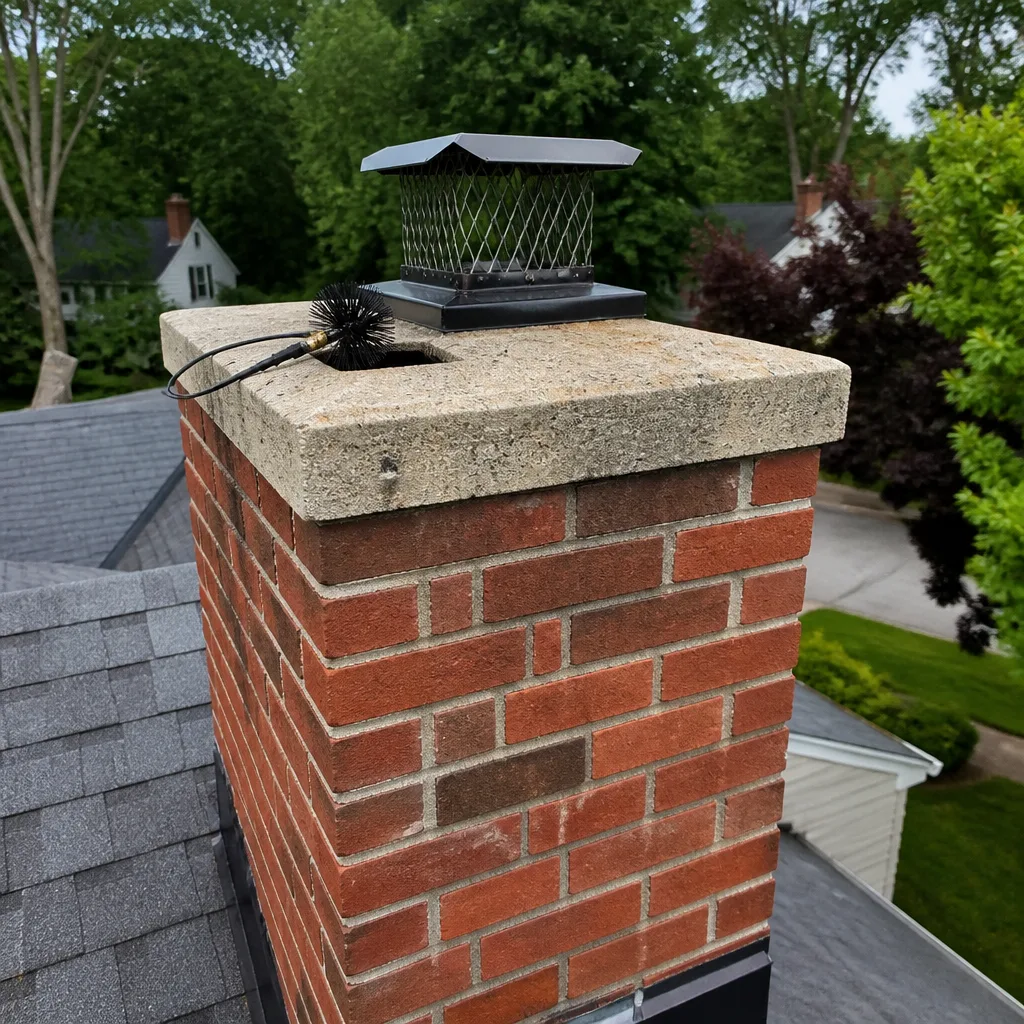
 Sweep & inspection
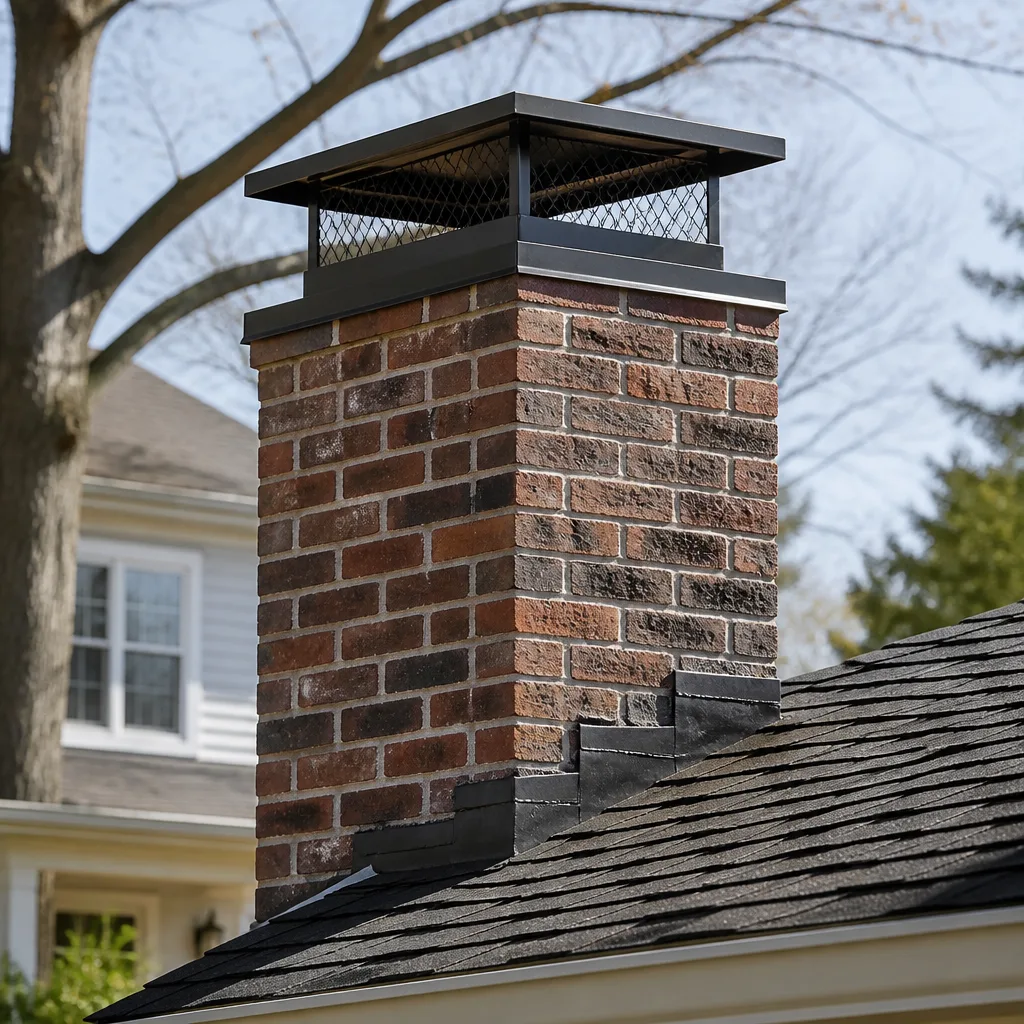 Caps & crowns
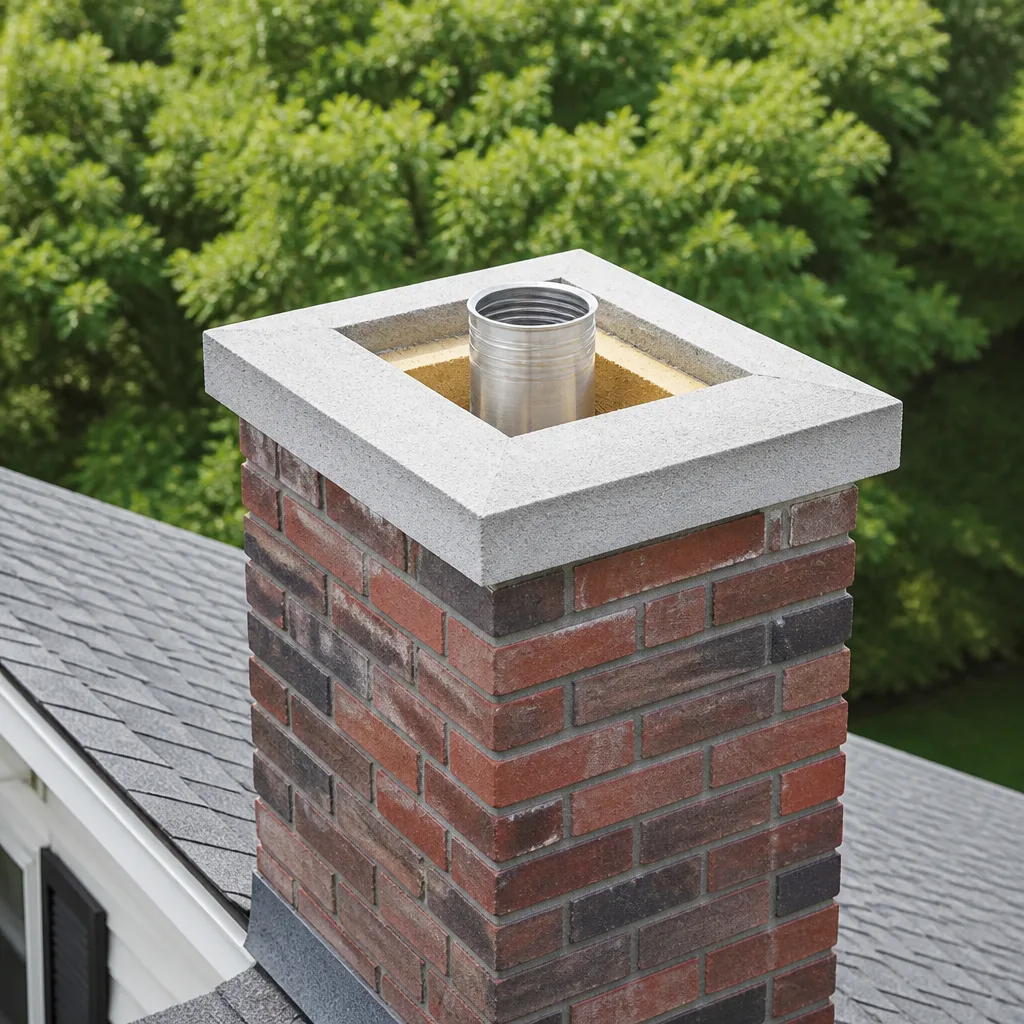 Flue relining
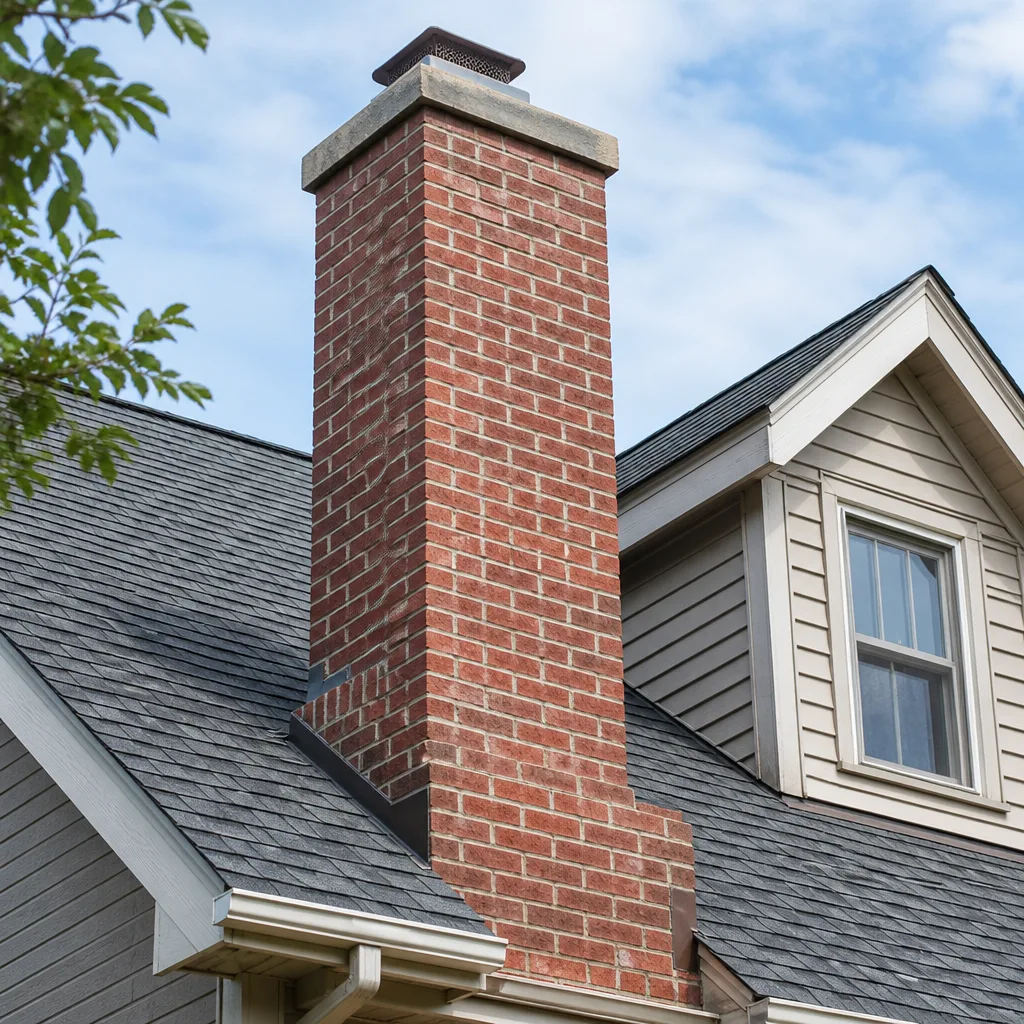 Masonry repair
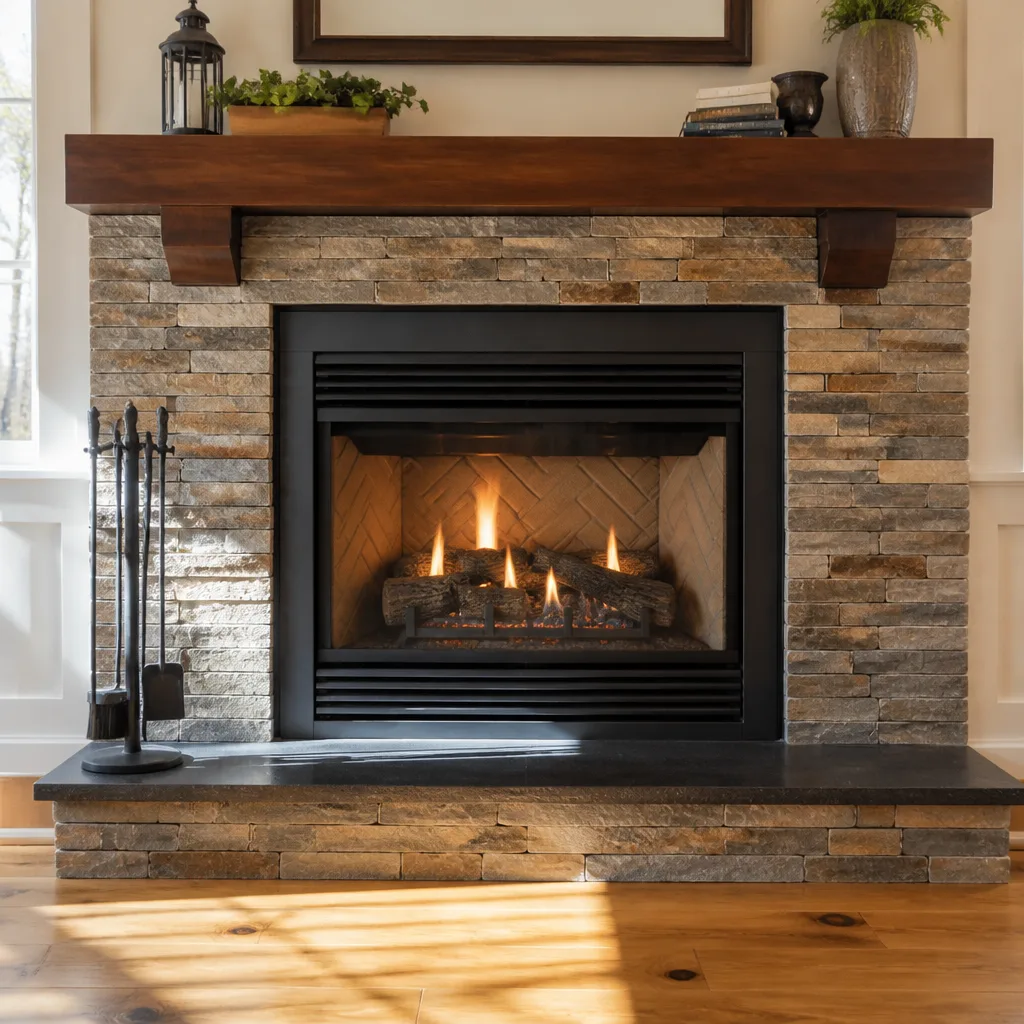 Gas fireplace service
Level 1 sweep and inspection to the NFPA 211 annual standard - flue, crown, cap, and flashing checked and photographed
Chimney sweep logs do not sweep chimneys. They loosen some creosote - which then falls where a brush and vacuum still have to collect it.
HeatShield Chimney Cleaning in Crest, CA | Oakleaf Chimney Sweep
We provide independent HeatShield chimney cleaning and repair across Crest, including the high-country streets above the 1,500-foot line, and also offer El Cajon HeatShield service nearby. What makes our HeatShield work different here is simple: we know how Crest’s pine-and-oak burning habits and forest debris interact with this refractory lining system. If you need a HeatShield flue inspected, cleaned, or resurfaced, call Noel Carranza at Oakleaf Chimney Sweep: (855) 362-1450.
We’re not affiliated with, authorized by, or endorsed by HeatShield. We’re an independent chimney service that has swept and repaired HeatShield-lined flues across Crest’s mountain cabins long enough to know exactly how the product holds up under heavy pine and oak firing. When a lining is serviceable, we say so. When it isn’t, we say that too. HeatShield sales & service is one part of what we do across Crest service area, and we treat it as its own discipline, not a checkbox.
Why Crest Residents Choose Us for HeatShield Service
Noel Carranza grew up in the Felicita neighborhood of Escondido, where his family’s older ranch-style house had a fireplace that seemed to need attention every other winter. That’s more or less how he ended up in this trade. He learned the mechanical and safety side through the HVAC and building systems program at Palomar College in San Marcos, then spent years doing hands-on chimney work across North County before starting Oakleaf Chimney Sweep.
What that means for Crest homeowners: when we put a camera down a HeatShield-resurfaced flue, we’re looking at the refractory surface the way a contractor would, not a sweep who only knows how to brush. We understand where HeatShield Cerfractory Flue Sealant performs well and where it fails under Crest’s specific conditions. If a coating is spalling, we’ll show you the footage. If it’s still sound after years of oak fires, we’ll tell you to leave it alone. Straightforward is the whole point.
Styles & brands we work with
Common HeatShield Chimney Cleaning Problems We Solve in Crest
- Glazed third-degree creosote bonded to the ceramic lining. Crest homes burn seasoned oak and pine through cold, windy winters. That fuel mix produces hard, tar-like creosote that a standard hand brush skips right over. On a HeatShield surface, it bonds differently than bare clay tile, so we rotary-clean first and evaluate the refractory after, never before.
- HeatShield refractory coating failing where a stove has been overfired. Crest stoves get pushed hard through mountain winters. Overfiring causes the ceramic surface to spall or separate in patches. We see it most often on freestanding wood stoves where the homeowner runs the stove hot for hours, then lets it cool hard overnight.
- Cracked lining at the smoke chamber transition. Older Crest masonry fireplaces, 1960s through 1980s builds, often show separation where the flue meets the smoke chamber. A camera inspection catches this before we recommend any resurfacing. You need to know the substrate is sound before putting new refractory over it.
- Cap and crown breakdown from forest debris. Crest sits inside the Cleveland National Forest boundary in places, and caps here clog with pine needles and oak leaves every single season. Moisture gets trapped, soaks the crown, and works its way to the HeatShield-treated surface below. We pull packed debris, then assess what the water did.
- Firebox and mortar deterioration under the refractory. HeatShield fireplace and firebox mortar products hold up, but they aren’t magic. Freeze-thaw cycles and Santa Ana wind-driven debris accelerate mortar breakdown around the firebox edges, which lets water reach the HeatShield surface from the front as well as the top.
HeatShield Service in Crest: What Local Conditions Mean for Your Equipment
Crest sits at 1,500 to 2,000 feet in the Cuyamaca Mountains, and the elevation changes how HeatShield work plays out here. It’s not a subtle difference, either. Coastal San Diego chimneys might get a light creosote dusting each season. Crest chimneys, especially wood stoves burning seasoned oak and pine, build hard glazed creosote that chemically bonds to the ceramic refractory surface. You can’t brush it off. You rotary-clean it. We routinely find packed caps on the high-country streets above Crest’s center, pine needles and oak leaves blown in from the surrounding forest, before we can even get a camera through the flue. That’s the difference between HeatShield service in Crest and the same service twenty miles west. A clean flue isn’t a luxury, it’s just the baseline for using a fireplace safely.
HeatShield Models & Products We Service in Crest
We service the full HeatShield product range as it appears in Crest homes: HeatShield Cerfractory Flue Sealant for resurfacing and relining, HeatShield chimney crown repair and coating products, and HeatShield fireplace and firebox refractory mortar products. When we resurface or seal a flue, we use genuine HeatShield Cerfractory materials, because the system’s performance depends on the specified refractory mix. Generic caps, dampers, and stovepipe components can be quality aftermarket and we use those where appropriate. But the refractory itself? That’s got to be the right material. We keep our Crest service vehicle stocked for common HeatShield repair jobs so we can often handle the work in one trip rather than scheduling a follow-up for parts, and we bring the same readiness to our Bostonia HeatShield service.
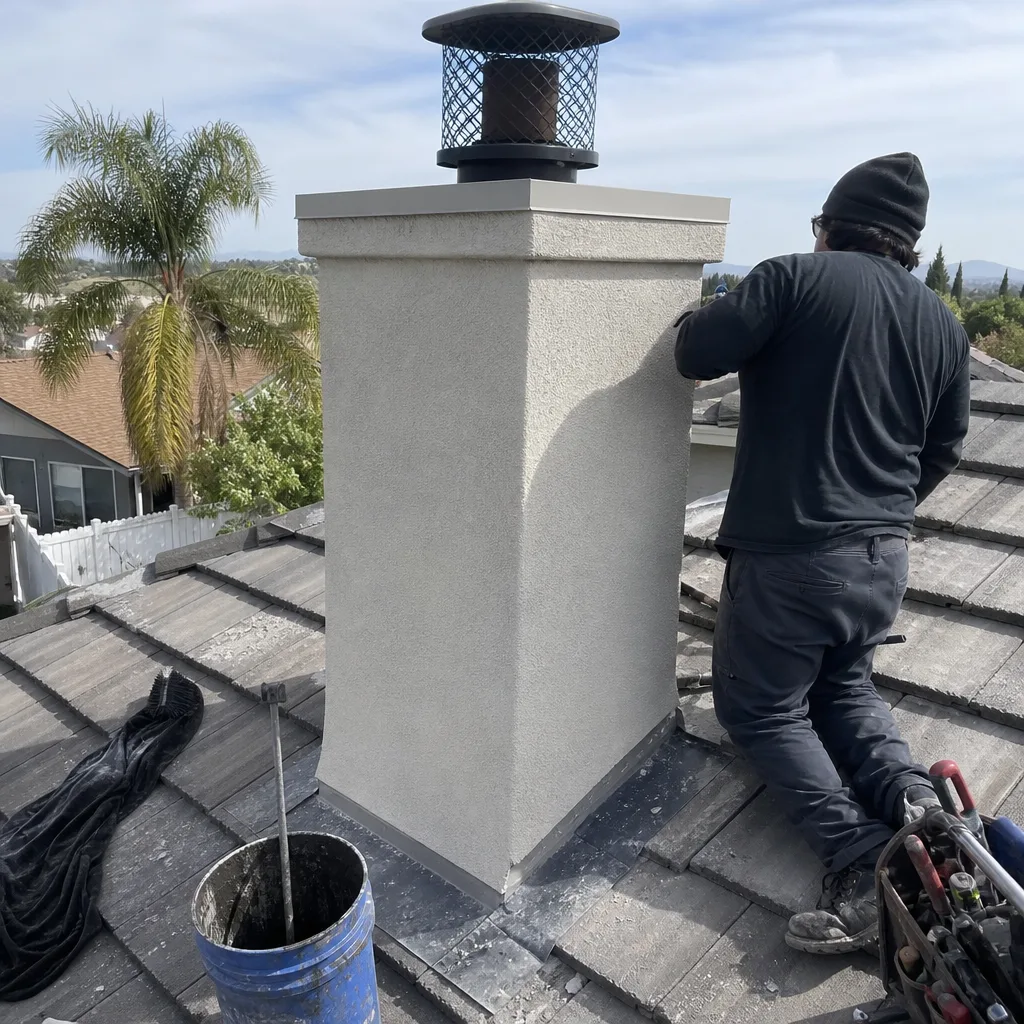
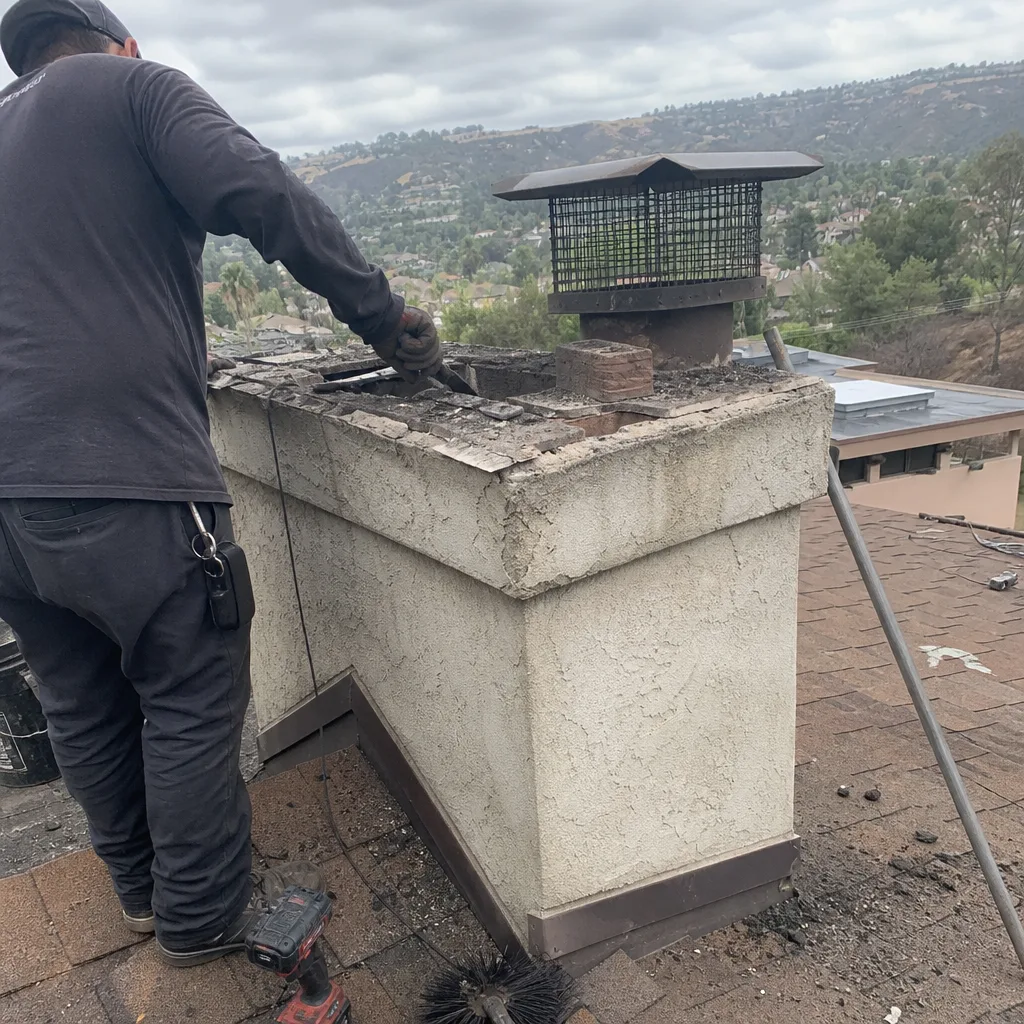
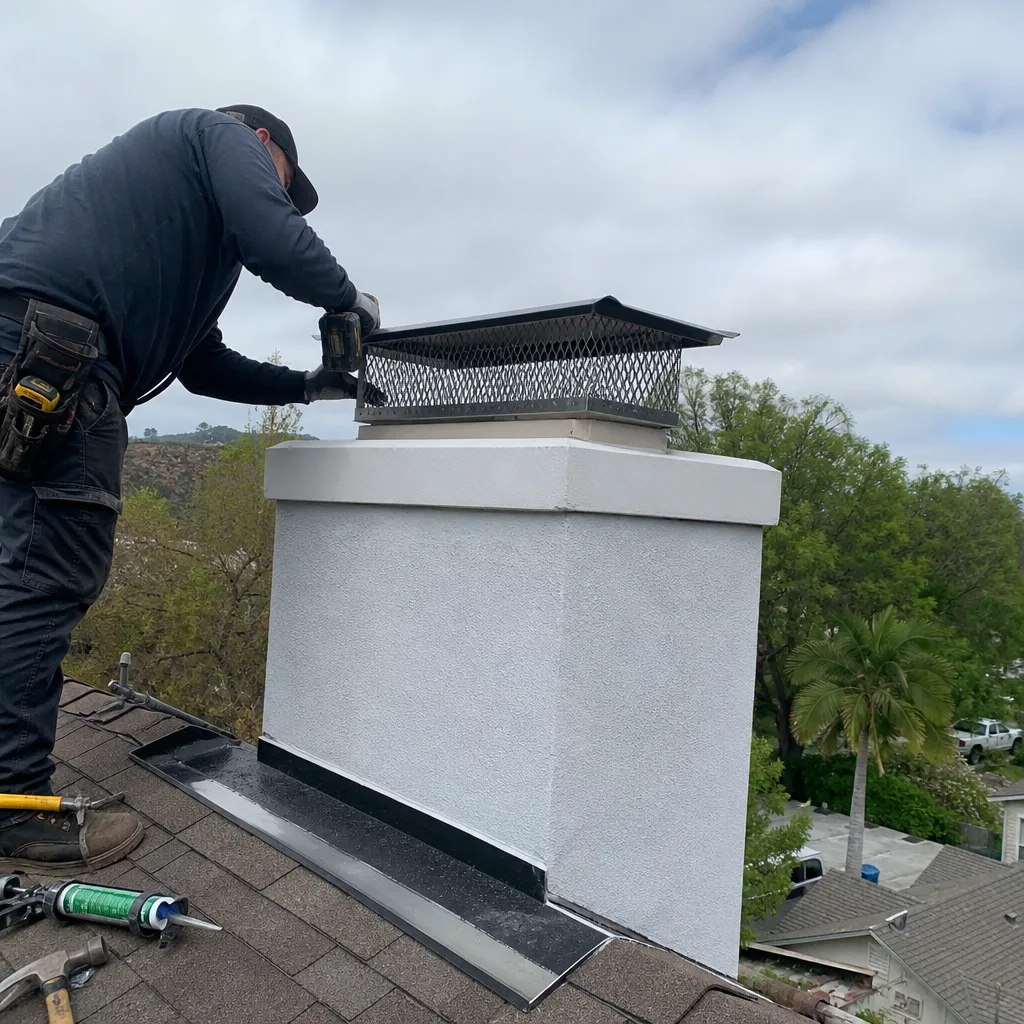
See the difference
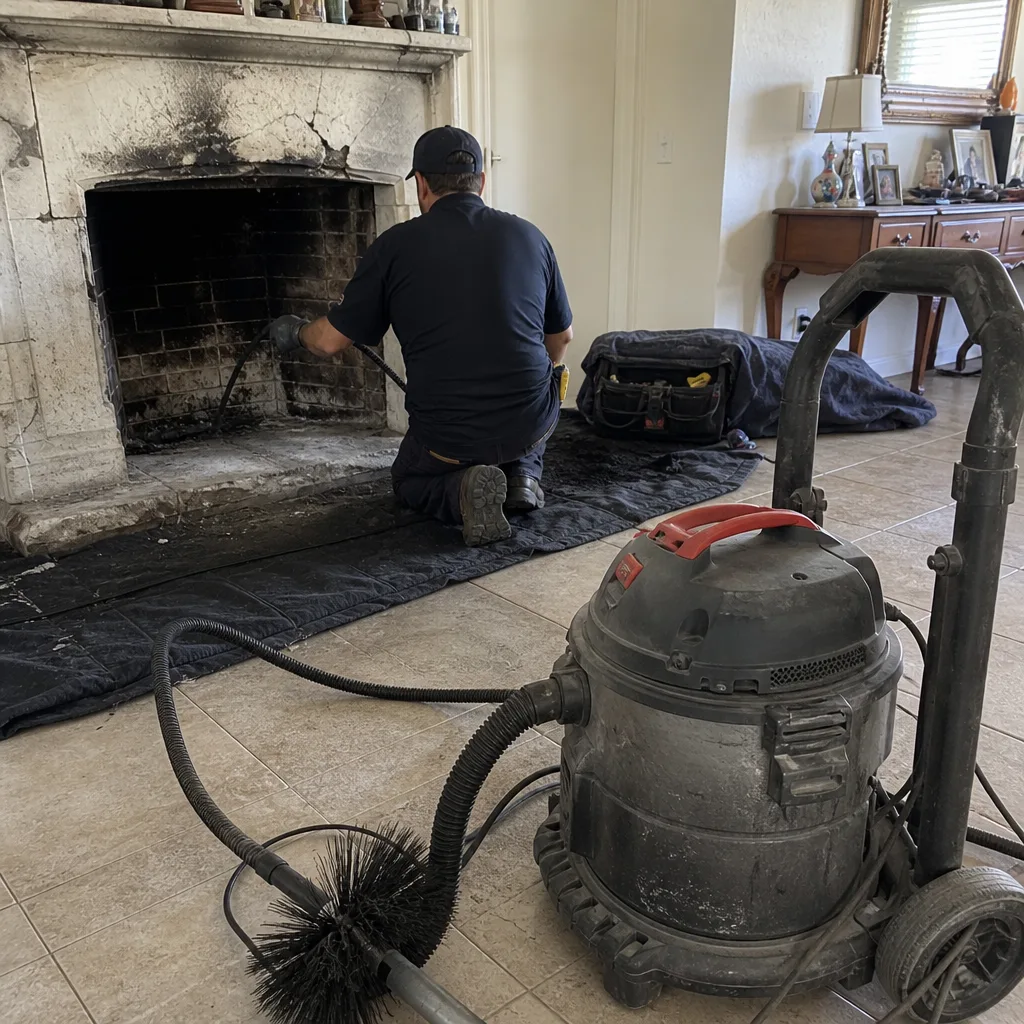 Before
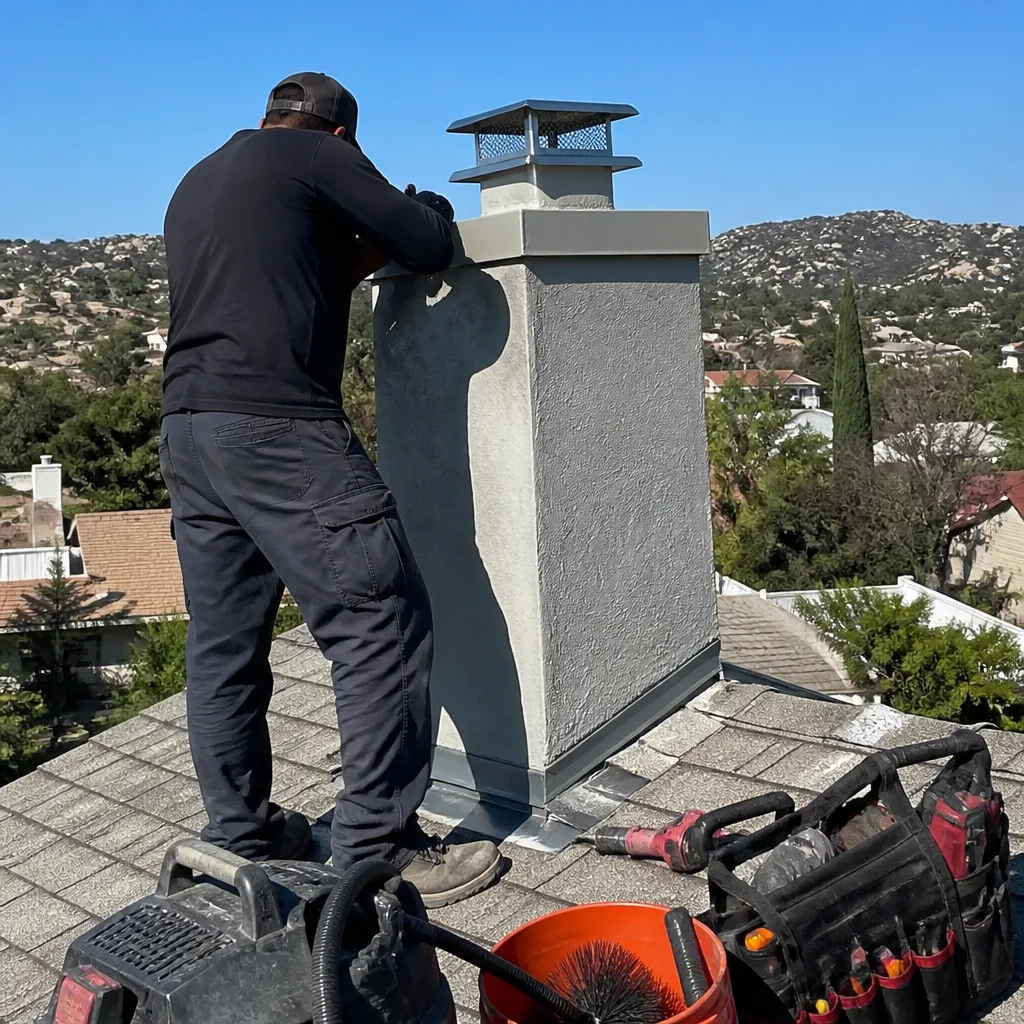 After
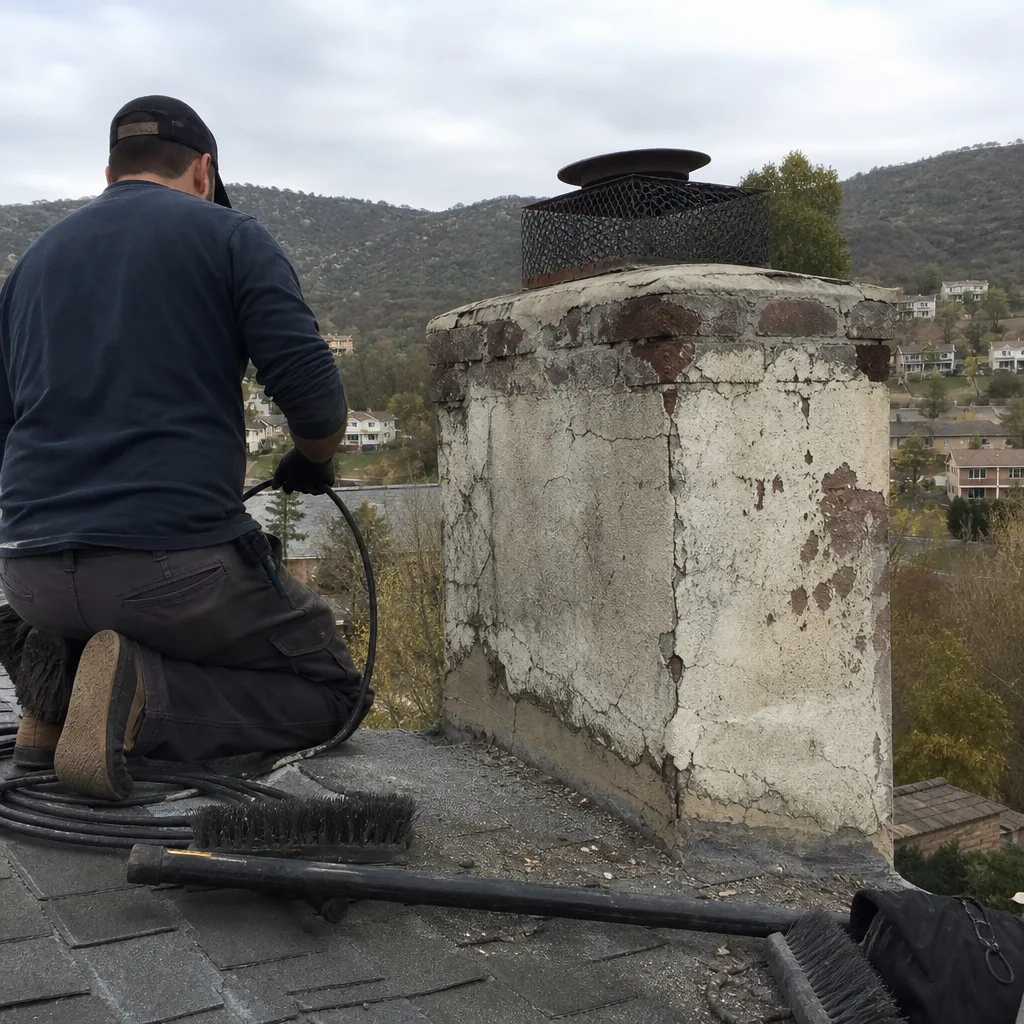 Before
 After
 Before
 After
HeatShield Service Pricing in Crest
HeatShield chimney cleaning in Crest typically runs between $180 and $340, depending on flue height, creosote condition, and whether we’re dealing with glazed buildup that needs rotary cleaning. Level 2 inspections with camera work run $250 to $450. If the camera finds a damaged lining, HeatShield resurfacing ranges from $2,500 to $5,500 for an average-height flue, and a full reline with Cerfractory materials runs $4,500 to $9,000. Crown repair and coating work sits between $650 and $1,800. The free estimate includes the camera inspection, so you’ll see exactly what we’re recommending and why. Call (855) 362-1450 for an exact quote based on your flue.
Serving Crest, CA — Our Local Coverage Area
We’re based in the Crest area and know this community well, and we also provide Granite Hills HeatShield service. Use the map below to see our service coverage — if you’re nearby, we can almost certainly help.
FAQs – HeatShield Chimney Cleaning in Crest
It can, but not the way you might think. The pine-and-oak mix Crest homeowners burn produces glazed creosote that bonds to the refractory surface. If that creosote isn’t removed with rotary cleaning, the next fire bakes it harder. Over time, the trapped heat and chemical environment can cause the ceramic surface to spall or separate. Regular cleaning prevents the glaze from setting, not just the creosote buildup. Call (855) 362-1450 to schedule a check of your HeatShield lining before the burning season.
Yes, with the right approach. A hand brush won’t damage the coating, but it also won’t remove glazed creosote. We use rotary cleaning heads selected specifically for ceramic refractory surfaces, not bare clay tile or steel liners. The wrong rotary head can scar the surface. The right one breaks the glaze and leaves the refractory intact. We camera-inspect after every cleaning to confirm the surface is still sound.
Because Crest sits in the Cuyamaca Mountains and the surrounding Cleveland National Forest drops pine needles and oak leaves into caps all year, not just in fall. Santa Ana winds in particular push debris sideways into caps. A clogged cap traps moisture, which soaks the crown and eventually works down to the HeatShield-treated surface. We pull and clear caps on most Crest jobs before we can even camera the flue. It’s routine here, not an exception.
If you’re just doing your annual sweep, a Level 1 inspection is standard. If you’ve changed fuel type, had a chimney fire, bought the home, or haven’t had the flue camera’d in years, you need a Level 2. For HeatShield-resurfaced flues, we recommend a Level 2 with camera inspection at least once after the first full burning season, because the refractory surface needs visual confirmation that it’s holding under Crest’s pine-and-oak heat. The estimate is free, and the camera footage is yours to keep.
Almost always. A failed crown coating is typically a surface problem, not a structural one. We grind back the loose material, prep the surface, and recoat with HeatShield crown repair product. The exception is when water has penetrated deep into the crown for years and the concrete beneath is crumbled. Even then, the crown itself can be rebuilt without touching the flue or the firebox. Call (855) 362-1450 and we’ll tell you which situation you have after one look.
Service Areas Near Crest
We serve Crest and the surrounding backcountry consistently. Our HeatShield work also covers HeatShield service in Harbison Canyon, HeatShield service in Casa de Oro-Mount Helix, Escondido, Hidden Meadows, and Valley Center. If you’re within reach of the 92021 ZIP code and burn wood, we can get to you.
Book Your HeatShield Service in Crest Today
If your Crest chimney or wood stove hasn’t been camera-inspected this year, or if the cap is already packed with needles, call us — we also handle HeatShield repair in Winter Gardens. We’ll schedule the sweep, run the camera, and show you exactly what the HeatShield surface looks like. Call (855) 362-1450 for a free estimate.
Written by Noel Carranza, Owner at Oakleaf Chimney Sweep, serving Crest and the East County backcountry.