
Last updated October 31, 2026
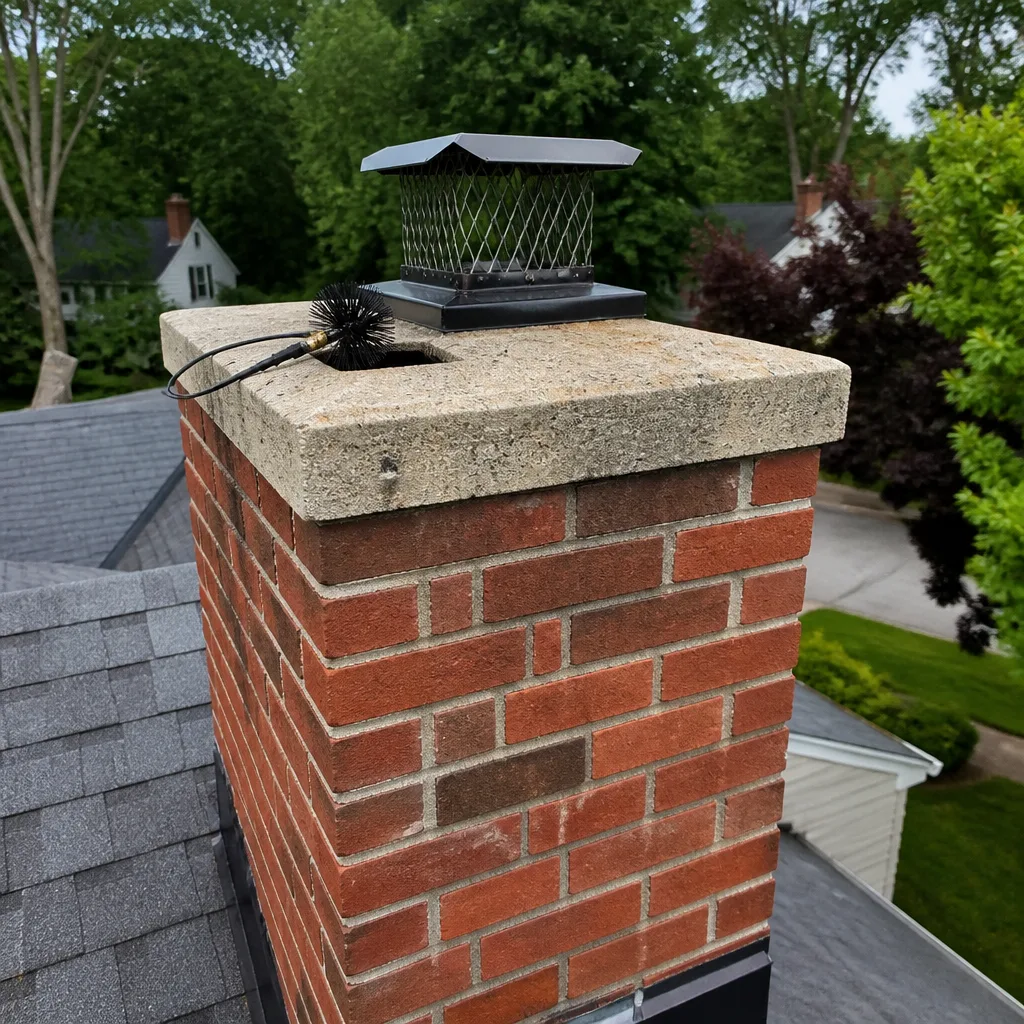 Sweep & inspection
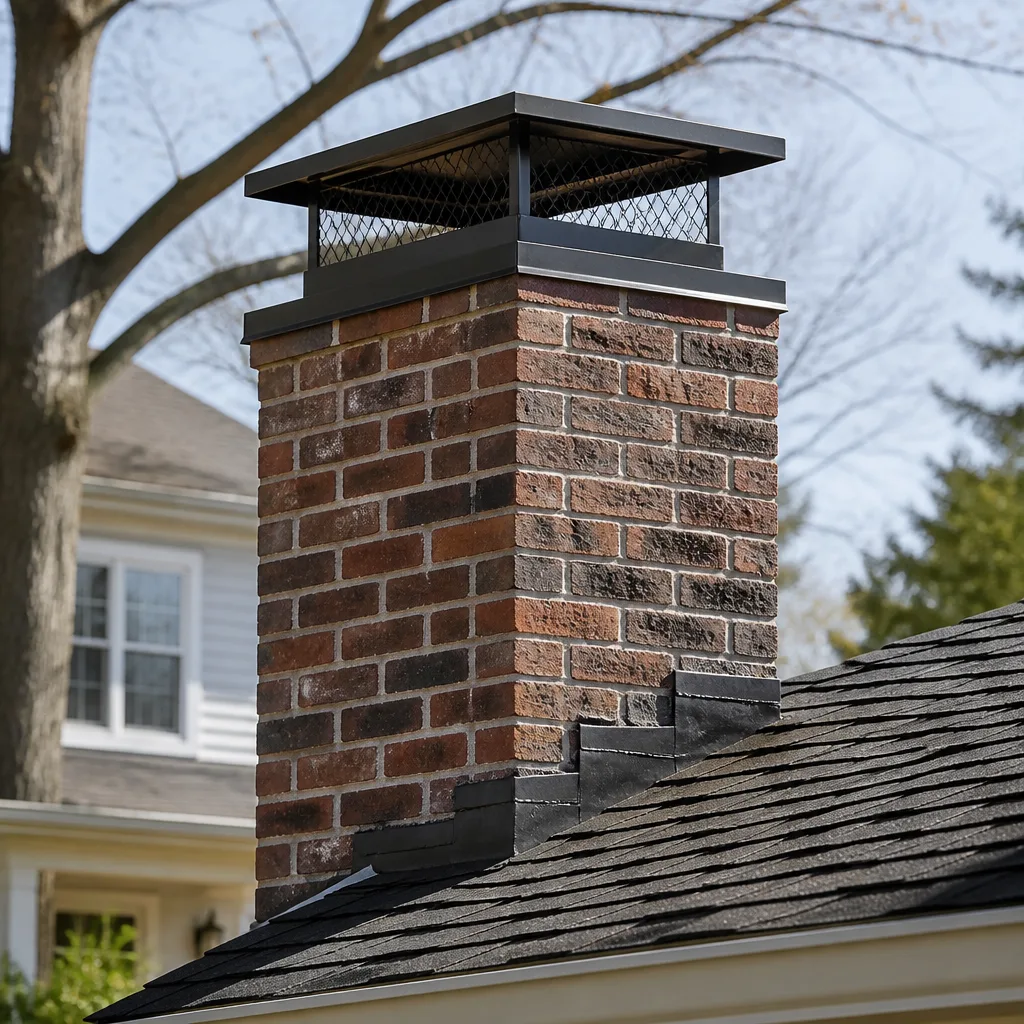 Caps & crowns
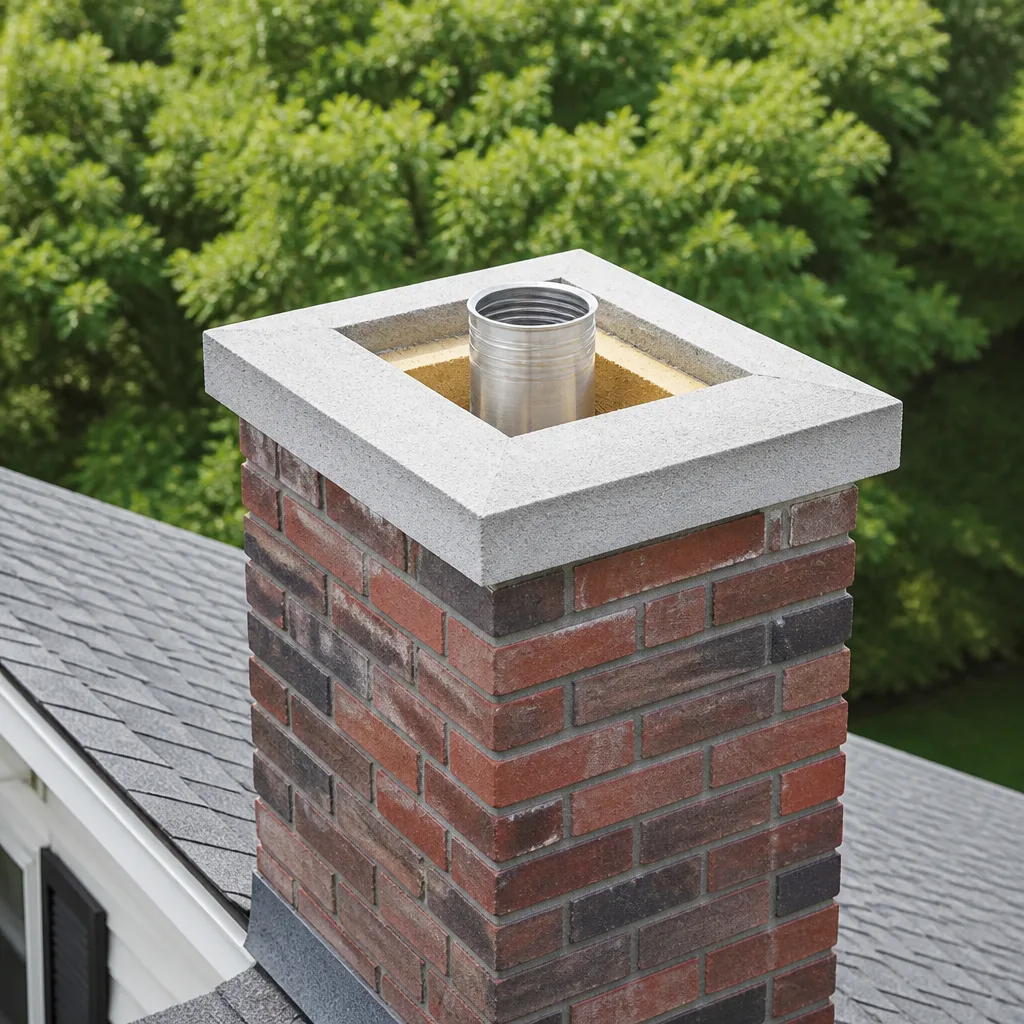 Flue relining
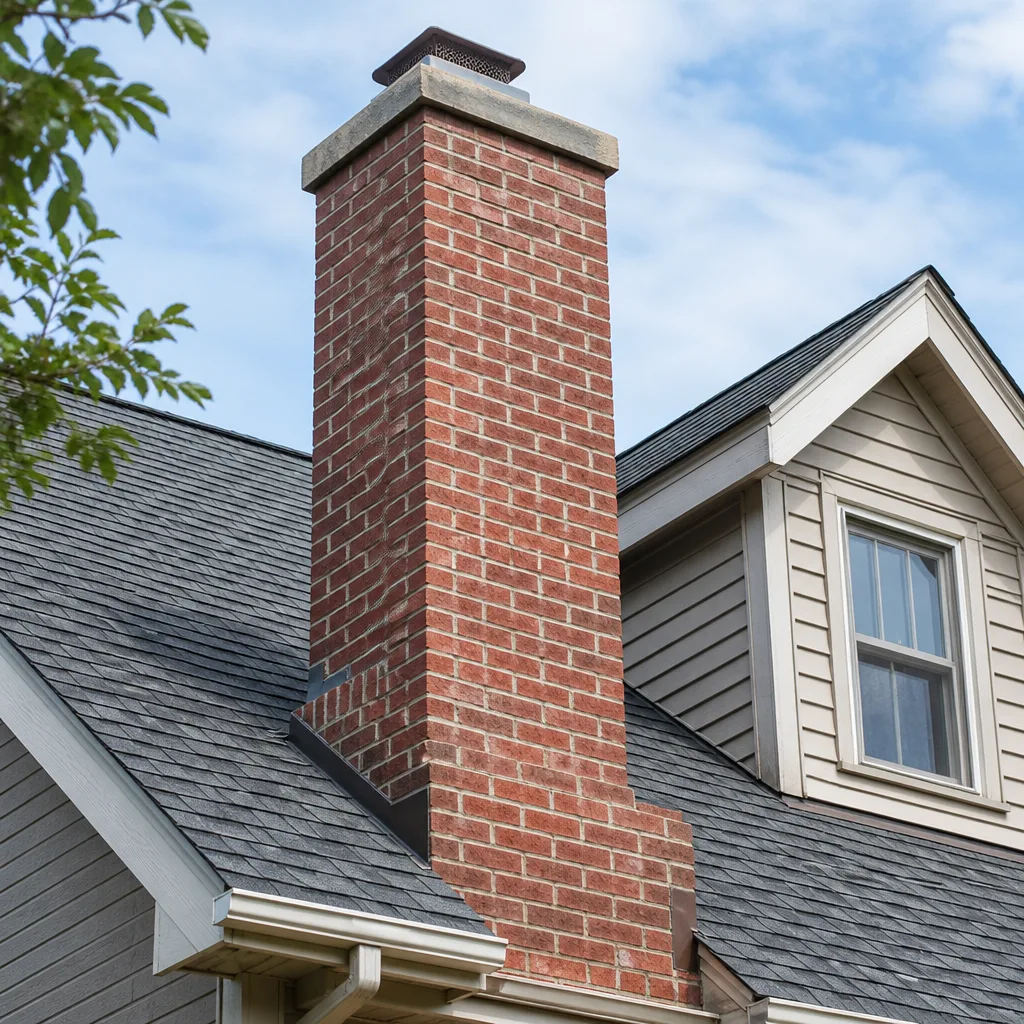 Masonry repair
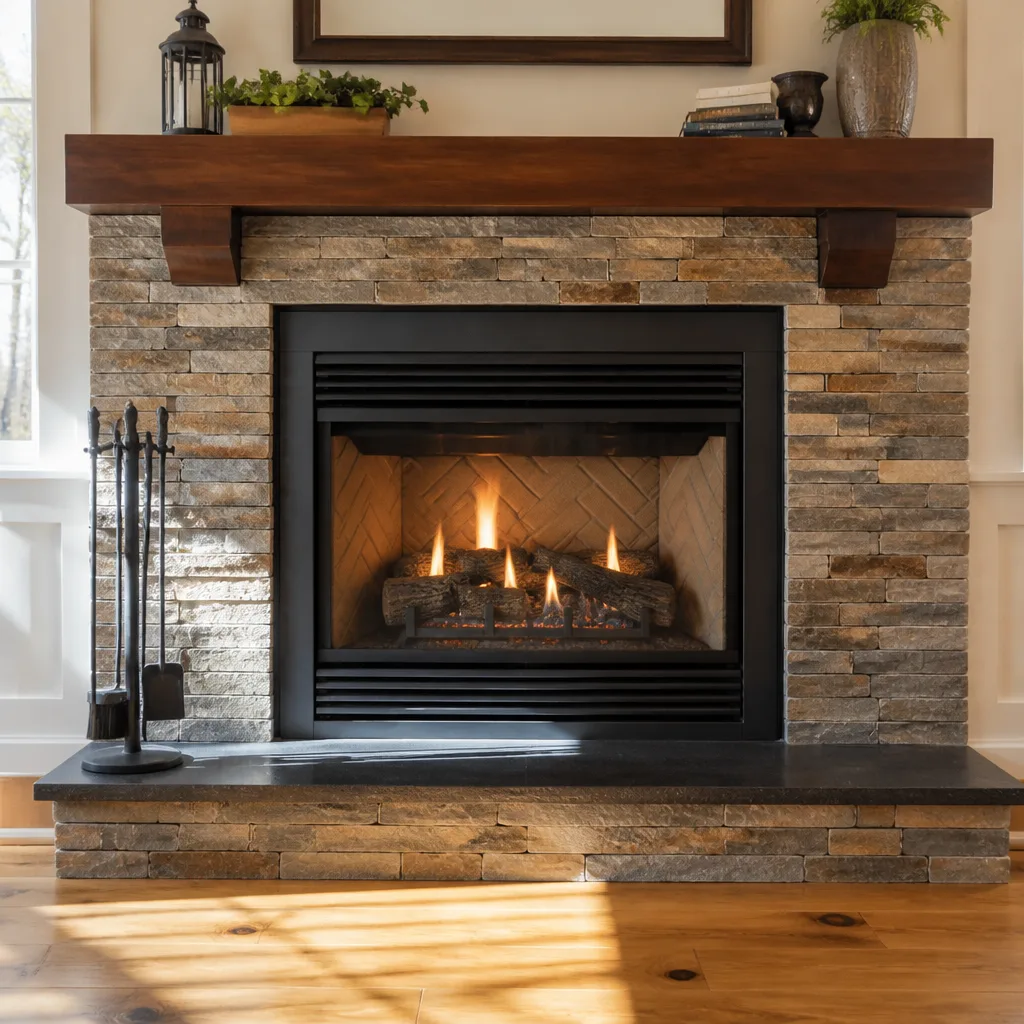 Gas fireplace service
Level 1 sweep and inspection to the NFPA 211 annual standard - flue, crown, cap, and flashing checked and photographed
Chimney sweep logs do not sweep chimneys. They loosen some creosote - which then falls where a brush and vacuum still have to collect it.
Choosing the Right Chimney Cleaning Brand: A Buyer’s Guide for Escondido
Two chimney companies can both say they “repaired your crown.” One used a trowel and a bag of hydraulic cement from the local hardware store. The other used CrownCoat elastomeric sealant rated for 40-year thermal cycling. The price difference is about $80. The lifespan difference is roughly 12 years. That gap, between what looks like a fix and what actually holds up through Escondido’s hot summers and cool, damp winters, is what The Complete Guide to Chimney Cleaning in Escondido is about. You’ll learn how to evaluate chimney cleaning companies not by their logos or their jingles, but by the materials they reach for when they find a problem.
Quick Answer
The right chimney cleaning company in Escondido is one that uses professional-grade materials like HeatShield, CrownCoat, and Copperfield components, not hardware-store substitutes, as detailed in The Complete Chimney Sweep Guide for Escondido Homeowners. More importantly, it’s a company that can actually repair what it finds during the sweep, because a cleaner who can only brush and document leaves you with a report and a problem, not a solution. Ask what products they use and what happens when they find damage. The answer tells you everything.
Styles & brands we work with
Table of Contents
- The Brand Decision Isn’t About the Company Name
- Where Material Quality Actually Matters
- The Questions That Reveal a Company’s Real Capability
- Why CSIA Certification Is the Floor, Not the Ceiling
- Repair Capability: The Difference Between Cleaning and Solving
- What a Legitimate Warranty Actually Covers
- How Escondido’s Climate Shapes Chimney Wear
- Common Mistakes to Avoid
- When to Call a Professional
- Frequently Asked Questions
The Brand Decision Isn’t About the Company Name
When Escondido homeowners search for the “best chimney cleaning company,” they typically expect a list of business names. That’s the wrong frame. A chimney sweep’s brand name tells you almost nothing about whether the work will hold up. What matters is the brand of the materials the company stocks on its truck.
Here’s the distinction that changes how you evaluate any candidate. A professional chimney contractor who does repair work reaches for the same product lines that certified chimney technicians specify nationwide: HeatShield for liner restoration, CrownCoat for crown sealing, Copperfield for dampers and caps, Olympia Chimney for venting components. A sweep-only operator, or a generalist handyman who added “chimney cleaning” to his service list, reaches for whatever the hardware store carries.
The two look similar in a photo. They behave differently over time. A crown sealed with hydraulic cement will crack again within a few seasons of Escondido’s temperature swings. A crown sealed with an elastomeric compound rated for thermal expansion and contraction keeps working for a decade or more. The homeowner paid for a chimney cleaning either way. One got a solution. The other got a temporary patch.
So when you’re comparing companies, you’re not comparing names. You’re comparing supply chains and training. That’s a much more reliable basis for a decision.
Where Material Quality Actually Matters
Not every part of a chimney system suffers equally. Some components can be handled with generic materials and the homeowner will never know the difference. Others fail predictably, sometimes dangerously, when budget products are substituted. The four categories below are where the brand of material has real consequences.
Crown Sealants
The chimney crown is the concrete or mortar slab that caps the top of the chimney structure, shedding water away from the flue. In Escondido’s climate, the crown is exposed to intense summer sun, occasional frost on winter nights, and rain that finds every hairline crack. A crown sealed with hydraulic cement, which has almost no flexibility, will crack again when the chimney structure expands and contracts. A crown sealed with a product like CrownCoat, an elastomeric sealant designed specifically for chimney crowns, flexes with those movements.
This is the $80 difference we mentioned at the top. It’s the clearest example of how a “brand” question hides inside what looks like a routine repair.
Flue Liner Repair Systems
When a chimney sweep finds cracks, gaps, or spalling in a clay flue liner during a regular cleaning, the homeowner has two paths. The old path was a full relining: breaking out the old clay tiles and installing a stainless steel liner. That’s expensive, often $4,000 to $8,000 depending on the height of the chimney and the condition of the surrounding masonry. But since HeatShield and similar restoration systems entered the market, there’s often a middle option. HeatShield uses a ceramic-based compound applied to the interior of the existing flue to seal cracks and restore a smooth, insulated surface. The result in many cases is a repaired flue at a fraction of the cost of a full reline, without the masonry demolition.
The catch is that HeatShield requires specialized training and equipment. A company that doesn’t offer it can’t even present the option. They’ll quote you a full reline or tell you the chimney is “fine” when it isn’t. That’s not a service difference. That’s a knowledge difference, and it costs you money either way.
Damper Replacement Hardware
The damper is the metal plate inside the throat of the chimney that opens to let smoke out and closes to keep conditioned air in. A failed damper means you’re heating or cooling the outdoors. The difference between a quality replacement damper and a cheap one comes down to the seal, the hardware, and the metal thickness. Brands like Copperfield and Famco make dampers with tight-fitting seals and corrosion-resistant hardware built for years of cycling. A generic damper from a big-box store will often warp within a season or two, especially in a climate with the temperature swings of inland San Diego County. The labor to install a damper is roughly the same either way. The part cost difference is small. The lifespan difference is measurable in years.
Chimney Cap Materials
The cap sits on top of the flue and keeps rain, animals, and debris out. Cap failures are common in Escondido because of the frequent Santa Ana winds and the occasional driving rain. A galvanized steel cap from a hardware store will rust through within a few years, particularly near the coast-influenced humidity that reaches inland. A stainless steel or copper cap properly sized for the flue, like those supplied by Copperfield or Olympia Chimney, has a service life measured in decades. When a sweep replaces a cap, ask what it’s made of and who manufactured it. A good answer is specific. A vague answer is a reason to call someone else.
The Questions That Reveal a Company’s Real Capability
You don’t need to be a chimney expert to evaluate a chimney company. You just need to ask the right questions and listen for the shape of the answer. A knowledgeable professional answers with specifics: product names, reasons, trade-offs. A vague operator answers with reassurances.
Here’s a simple framework, as a step-by-step process, for interviewing a chimney company before you book.
- Ask what products they use for crown sealing. A competent answer sounds like: “We use CrownCoat, an elastomeric sealant designed for chimney crowns, because it flexes with temperature changes.” A weak answer sounds like: “We use a good quality sealant.” The first answer names a product and a reason. The second tells you nothing.
- Ask what happens if they find flue damage during the sweep. The answer you want is: “We can often do a HeatShield liner restoration right then, or talk through a full reline if that’s what the situation requires.” The answer that should concern you is: “We’ll write it up and you can call a repair company.” That company is a cleaner, not a problem-solver.
- Ask whether they clean dryer vents. This sounds unrelated, but it’s a surprisingly good filter. A company that treats dryer vent cleaning as a core fire-safety service understands ventilation as a system, not as a single fireplace accessory. Lint buildup ignites thousands of home fires every year. A chimney specialist who takes that seriously is thinking about your whole house, not just the firebox. Our own Oakleaf Chimney Sweep home approach treats dryer vents as a peer service to chimney sweeping for exactly that reason: the failure modes are the same, even if the fuel is lint instead of creosote.
- Ask for a specific example of a repair they’ve done. A company with repair capability can describe resurfacing a flue, repointing mortar joints, or rebuilding a firebox. A company without it will talk about the number of chimneys they’ve cleaned. That’s a different metric entirely. Cleaning volume tells you about their schedule. Repair examples tell you about their competence.
- Ask what their warranty covers, in writing. This is important enough that it gets its own section below.
Here’s what a knowledgeable answer sounds like in practice. When we’re asked what we’d use on a cracked crown, the answer is CrownCoat, because it’s designed for the thermal cycling that Escondido chimneys actually experience. When we’re asked about a damaged flue, we describe HeatShield as an option alongside full relining, and explain which one the specific situation calls for. When we’re asked about dampers, we mention Copperfield and Famco as the lines we work with, and why a sealed damper pays for itself in a single cooling season. You don’t need to know these products yourself. You just need to hear a company name them without hesitation.
Why CSIA Certification Is the Floor, Not the Ceiling
The Chimney Safety Institute of America (CSIA) certification is the baseline credential for chimney sweeps in the United States. It requires training, testing, and continuing education. A company without CSIA-certified technicians should be crossed off your list immediately.
But here’s what CSIA certification does not tell you. It does not tell you whether the technician stocks professional-grade repair materials or buys from the hardware store. It does not tell you whether the company can repair a flue or only document its condition. It does not tell you whether the company handles chimney work exclusively or also cleans gutters, pressure-washes driveways, and does a little of everything. CSIA certification is a minimum bar for safety and technique. It is not a differentiator between a professional chimney contractor and a certified cleaner who refers out every repair.
Think of it this way. A driver’s license tells you someone is legally allowed to operate a car. It doesn’t tell you they can rebuild an engine. CSIA certification is the driver’s license for chimney work. Repair capability, material knowledge, and the factory training that comes with products like HeatShield and DuraFlex, those are the engine-rebuild credentials.
When you’re interviewing companies in Escondido, verify certification first. Then move on to the questions above. If a company can’t clear the certification bar, stop there. If it can, the real evaluation is just beginning.
Repair Capability: The Difference Between Cleaning and Solving
The most expensive chimney service, over the life of a home, is the one that finds a problem and leaves it for someone else. You pay for the cleaning, then you pay for a second company to come diagnose the problem the first one identified, then you pay for the repair. Three visits, three invoices.
A chimney company with in-house repair capability compresses that to one visit. The sweep finds a crack. The same specialist assesses the extent. The repair is scheduled or, in some cases, done on the spot with materials already on the truck. One call covers every fire-safety vent in your home, chimney and dryer, and one company is accountable for the outcome.
At Oakleaf Chimney Sweep, repair capability is built into every sweep call, because the sweep is the diagnostic tool. The cleaning reveals the condition of the flue, the crown, the damper, and the cap. When we find damage, we have the repair capability to fix it. Flue liner restoration with HeatShield. Crown sealing with CrownCoat. Damper and cap replacement with Copperfield and Olympia Chimney components. A full relining with DuraFlex when the situation calls for it. The difference, from the homeowner’s perspective, is that the problem found during cleaning is the problem solved that same day, not deferred to another contractor, another scheduling window, another invoice.
If a company only cleans, the best you can hope for is a thorough report and a referral. There’s a place for that. But if you’re looking for the right chimney cleaning company in Escondido, repair capability should sit near the top of your criteria, because it transforms the service from an inspection into a solution.
What a Legitimate Warranty Actually Covers
Warranty language is where a company’s confidence in its materials shows up in writing. A vague warranty is a marketing promise. A specific one is an engineering statement.
A legitimate chimney repair warranty should cover at least these three things:
- Workmanship. If the repair fails because it was installed incorrectly, the company comes back and fixes it. This should be a minimum of a few years, and it should be in writing.
- Materials. The manufacturer of the repair product almost always backs it with a warranty of its own. HeatShield liner restoration carries a manufacturer’s warranty that transfers with the home in many cases. CrownCoat has a rated lifespan measured in decades. A contractor who uses professional-grade materials can pass those manufacturer warranties through to you, which is one more reason the brand of material matters. If the company doesn’t know the manufacturer’s warranty terms for the products they use, that’s a signal.
- Scope clarity. The warranty should say what’s covered and what isn’t. A crown sealant warranty doesn’t cover foundation settling. A liner warranty doesn’t cover water damage from a missing cap. A company that explains this clearly is more trustworthy than one that says “lifetime warranty” and leaves it there.
What to watch for: a warranty that covers “parts and labor” without naming the parts, a warranty that expires in 90 days on a repair that should last a decade, or a verbal assurance that never appears in writing. These are the warranty habits of a company that doesn’t stand behind its work.
The deeper point is this: a company’s warranty terms reveal more about its confidence in its materials than any marketing claim. A contractor who stocks CrownCoat, HeatShield, and Copperfield components knows what those products are rated for. A contractor who buys whatever’s on the shelf at the hardware store can’t make a long-term promise, because they don’t know what they’re applying. The warranty is where that difference becomes visible.
How Escondido’s Climate Shapes Chimney Wear
Chimney wear isn’t the same everywhere. The materials that work in Seattle, with its constant damp, are not the materials that work in Phoenix, with its relentless dry heat. Escondido sits in a specific spot, inland San Diego County, about 15 miles from the coast and at nearly 700 feet of elevation. That means hot, dry summers with temperatures regularly in the 90s, cool winters that occasionally dip near freezing, and dry Santa Ana winds that blow from the inland deserts toward the coast.
Those conditions produce a particular failure pattern. Chimney crowns in Escondido crack from thermal cycling, the repeated expansion and contraction of the masonry as temperatures swing from cold nights to hot afternoons. That’s why CrownCoat, an elastomeric sealant that flexes with the structure, matters more here than in a milder climate. Hydraulic cement cracks again in two or three seasons because it can’t move with the chimney. The material choice is not a luxury in Escondido. It’s the difference between a maintenance item and a recurring repair.
Santa Ana winds also take a toll on chimney caps and dampers. The winds can exceed 40 miles per hour through the Escondido area, and they carry fine dust and debris that works its way into unprotected flues. A loose or poorly fitted cap becomes a wind-driven rain entry point when a winter storm follows a Santa Ana event. Caps and dampers need to be properly sized and securely fastened, which is why the quality of the component matters.
For Escondido homeowners, the practical implication is this: a chimney company that understands local conditions will recommend the right materials for the climate. A company that treats every chimney the same will apply a generic fix and move on. When you ask the questions in this guide, listen for whether the answers reflect an understanding of how Escondido’s climate specifically stresses a chimney system, and check more guides & resources for additional questions to ask. That’s a reliable signal of a contractor who knows the trade, not just the price list.
Common Mistakes to Avoid
- Choosing by price alone. A $99 chimney cleaning in Escondido is almost always a loss leader, and the company has to make up the margin somewhere: upselling repairs you don’t need, using budget materials, or rushing through the job. A professional sweep takes time, because the inspection is part of the service.
- Hiring a generalist handyman for chimney work. Chimney systems involve fire safety, carbon monoxide risk, and structural integrity. A handyman with no CSIA certification and no repair training shouldn’t be inside your flue. The stakes are too high.
- Accepting a repair quote without asking what materials will be used. If the answer is “a good quality sealant” or “standard cement,” you’re being quoted for a temporary patch. Ask for the product name. If they can’t name one, move on.
- Assuming a clean chimney equals a safe chimney. A chimney can look clean while a cracked flue liner hides behind the soot. This is why the inspection matters as much as the brushing, and why a cleaner who can’t identify or repair flue damage leaves you with false confidence.
- Ignoring the dryer vent. A dryer vent is a fire safety system, not a laundry accessory. Lint buildup in dryer vents causes thousands of house fires every year in the U.S. If your chimney company doesn’t handle dryer vent cleaning, you’re coordinating two contractors for what is essentially the same maintenance task. One call should cover every fire-safety vent in your home.
- Skipping the warranty review. Asking about the warranty after the repair is done is too late. The warranty terms should be part of your decision, because they reflect how much confidence the company has in its materials and workmanship.
When to Call a Professional
Some chimney situations are routine maintenance you can schedule on your own timeline. Others demand immediate professional attention. If you smell smoke in the house after a fire has burned out, that’s a draft or flue problem that needs a technician’s diagnosis, not a guess. If you see white staining (efflorescence) on the exterior brick of your chimney, water is moving through the masonry, and every season it goes unaddressed means more expensive repairs. If you hear birds or animals inside the chimney, a cap has failed and the flue is exposed. If you haven’t had the chimney or dryer vent cleaned in two or more years, you’re overdue for a safety inspection.
And if a previous sweep identified damage and recommended repair but you haven’t acted on it, don’t wait for next season’s cleaning. Flue damage worsens with every fire. The repair gets more expensive, not less. Oakleaf Chimney Sweep offers free estimates in Escondido. Call (855) 362-1450 and we’ll tell you what’s actually needed, with camera evidence you can see for yourself.
Frequently Asked Questions
Chimney cleaning in Escondido typically ranges from $180 to $340 depending on the type of fireplace, the condition of the flue, and whether any repairs are identified. A standard wood-burning fireplace sweep is at the lower end of that range, while a heavily creosoted flue, a difficult roof access, or a multi-flue home pushes toward the upper end. Be wary of prices below $100 in Escondido; those are almost always introductory offers designed to get a technician in the door to sell additional services. For an exact quote, call (855) 362-1450. Estimates are free, and we’ll tell you what your specific chimney needs.
The National Fire Protection Association standard, which applies regardless of location, says chimneys should be inspected at least once a year and cleaned when creosote buildup reaches 1/8 inch or more. For most Escondido homeowners who burn wood regularly during the winter months, an annual sweep is the practical answer. Even if you burn less frequently, an annual inspection catches problems before they become repairs.
Creosote is the byproduct of wood combustion, and it accumulates on flue walls with every fire. At low levels it’s a maintenance issue. At higher levels it’s a fire hazard, because creosote is flammable. A chimney fire can reach 2,000 degrees and crack flue tiles, damage the chimney structure, and spread to the house. Separately, a blocked flue can push carbon monoxide back into the living space. The risk is not theoretical, and it’s not worth testing. Call (855) 362-1450 to schedule a sweep before burning season if you’re overdue.
Not every damaged flue liner needs a full reline. In many cases, a HeatShield liner restoration can seal cracks and restore the flue’s integrity at a fraction of the cost of breaking out the old clay tiles and installing a stainless steel liner. The answer depends on the extent of the damage, which is why a camera inspection matters. We won’t recommend a repair you can’t verify yourself. You’ll see the camera footage, and we’ll tell you plainly whether restoration or relining is the right call.
CSIA certification is not a legal requirement in California, but it’s the industry’s recognized baseline for competence. A company without CSIA-certified technicians shouldn’t be on your list. What certification doesn’t tell you is whether the company stocks professional-grade repair materials, handles repairs in-house, or understands the specific climate conditions that affect Escondido chimneys. Certification is the floor. Material knowledge and repair capability are how you separate the professionals from the cleaners.
Yes, and for a simple reason: both are fire-safety vents, and they fail by the same mechanism. Lint builds up in the dryer vent, restricts airflow, overheats, and ignites, just as creosote builds up in a chimney flue. Treating dryer vent cleaning as part of the same maintenance schedule, with the same company, means you’re not coordinating separate contractors for what is functionally the same safety task. At Oakleaf, dryer vent cleaning is a core service, not an upsell, because lint is one of the leading causes of house fires. One call covers every fire-safety vent in your home, chimney and dryer.
The Bottom Line
The right chimney cleaning company in Escondido isn’t the one with the best name recognition or the lowest price. It’s the one that stocks professional-grade materials, can repair what it finds, and stands behind the work with a warranty that names the product and the coverage. Ask what they use for crowns, flue liners, dampers, and caps. Listen for specific product names and clear reasons. Check the certification, but don’t stop there. And if the company treats your dryer vent with the same seriousness as your chimney, you’ve probably found a contractor who understands fire safety as a system, not a service menu. That’s worth more than any discount.
Written by the team at Oakleaf Chimney Sweep, serving Escondido since 2016.
See the difference
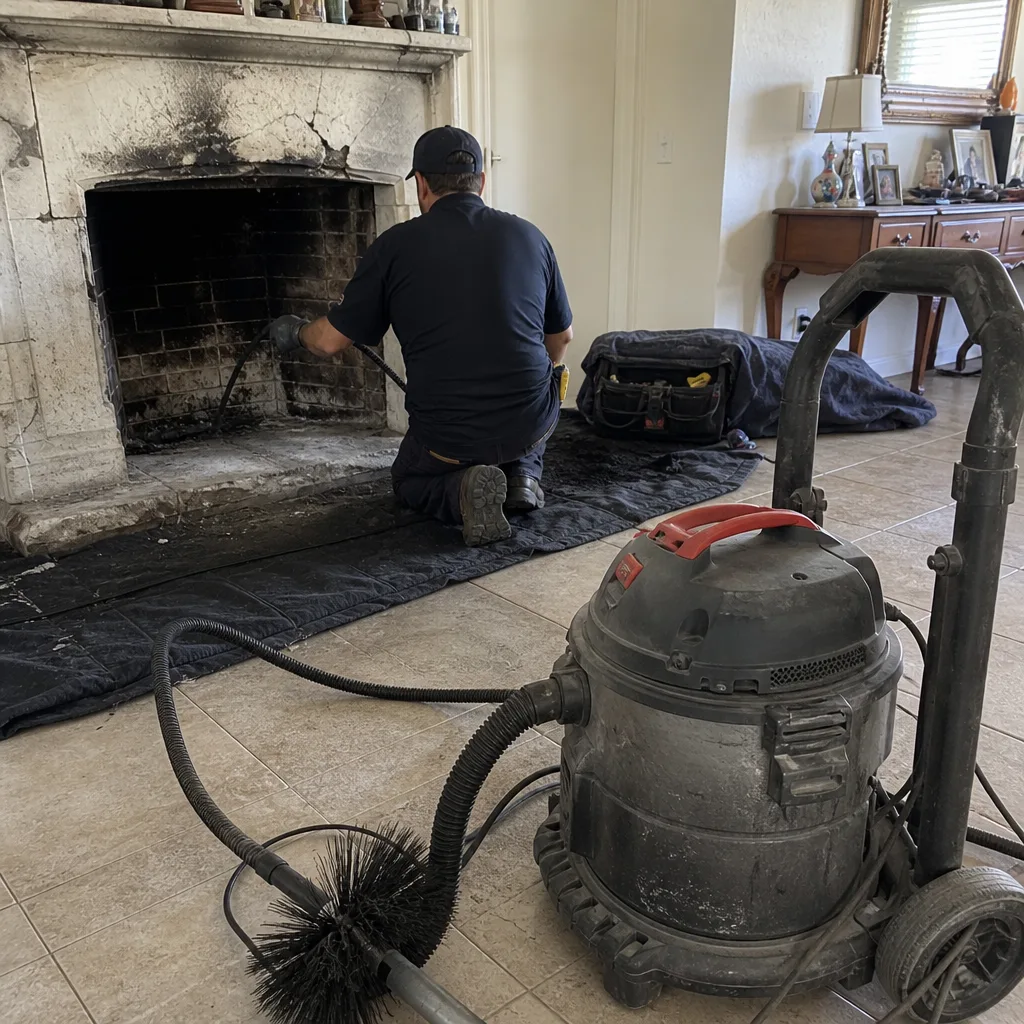 Before
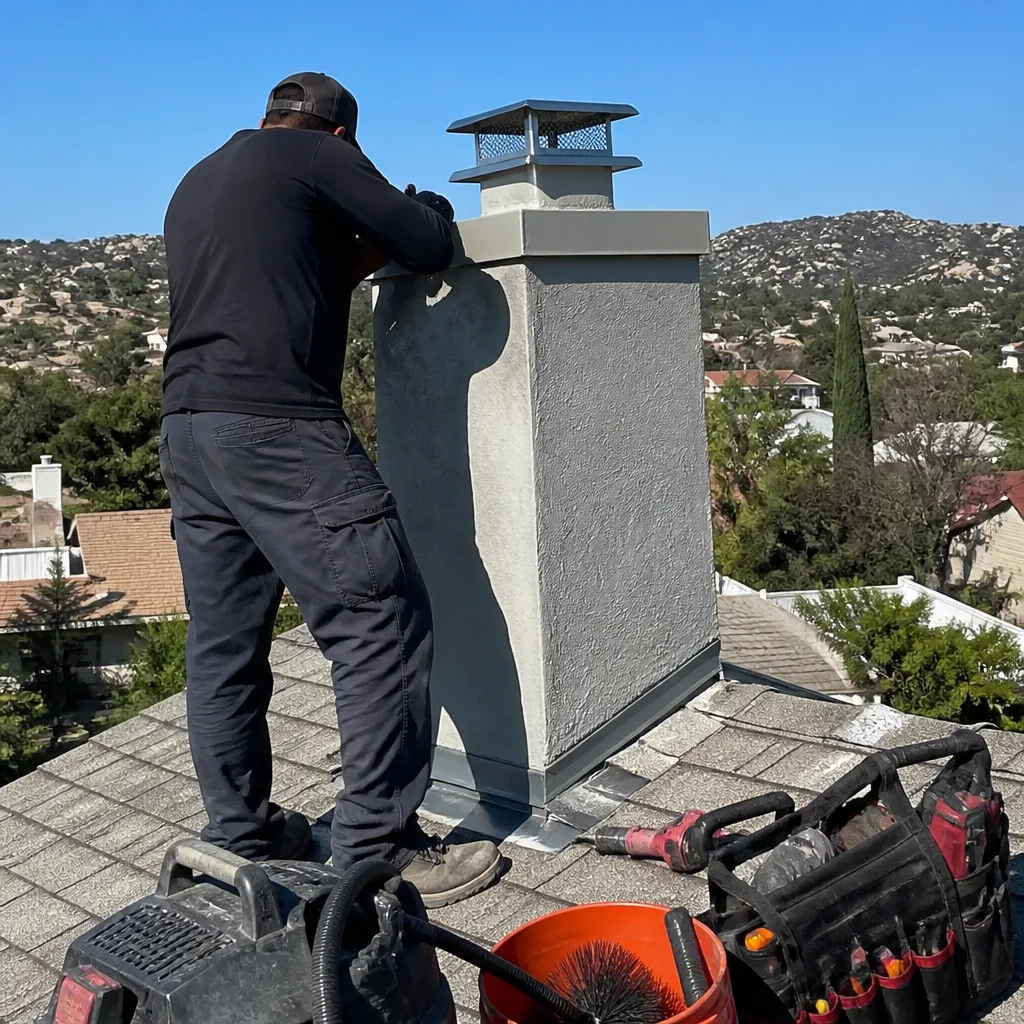 After
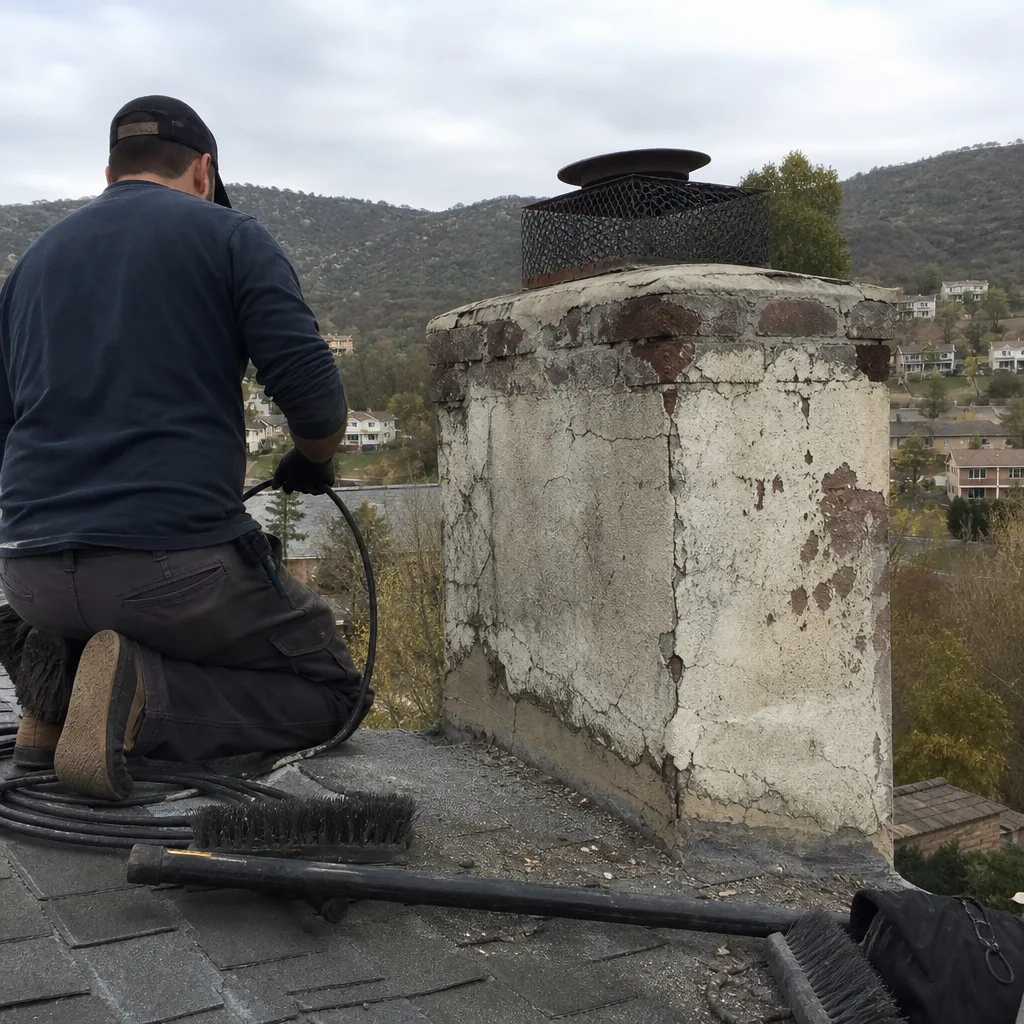 Before
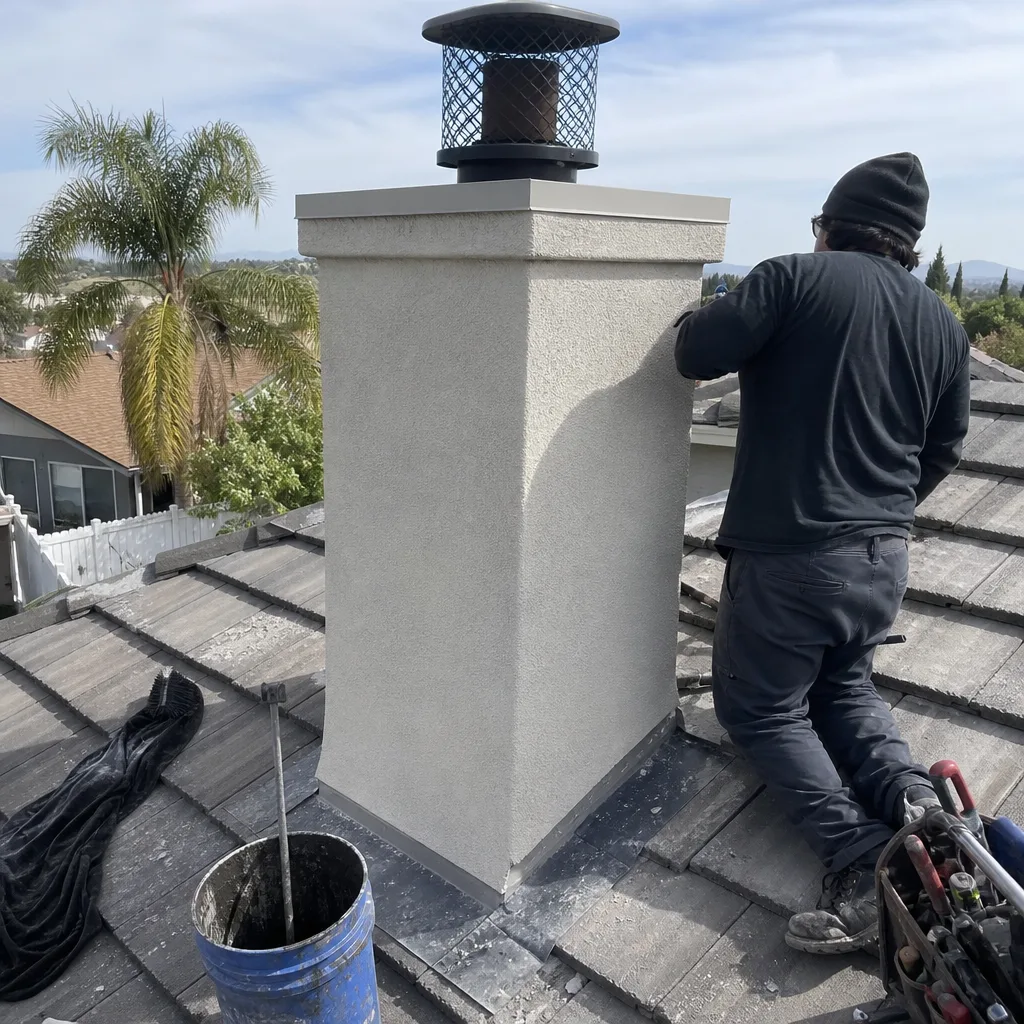 After
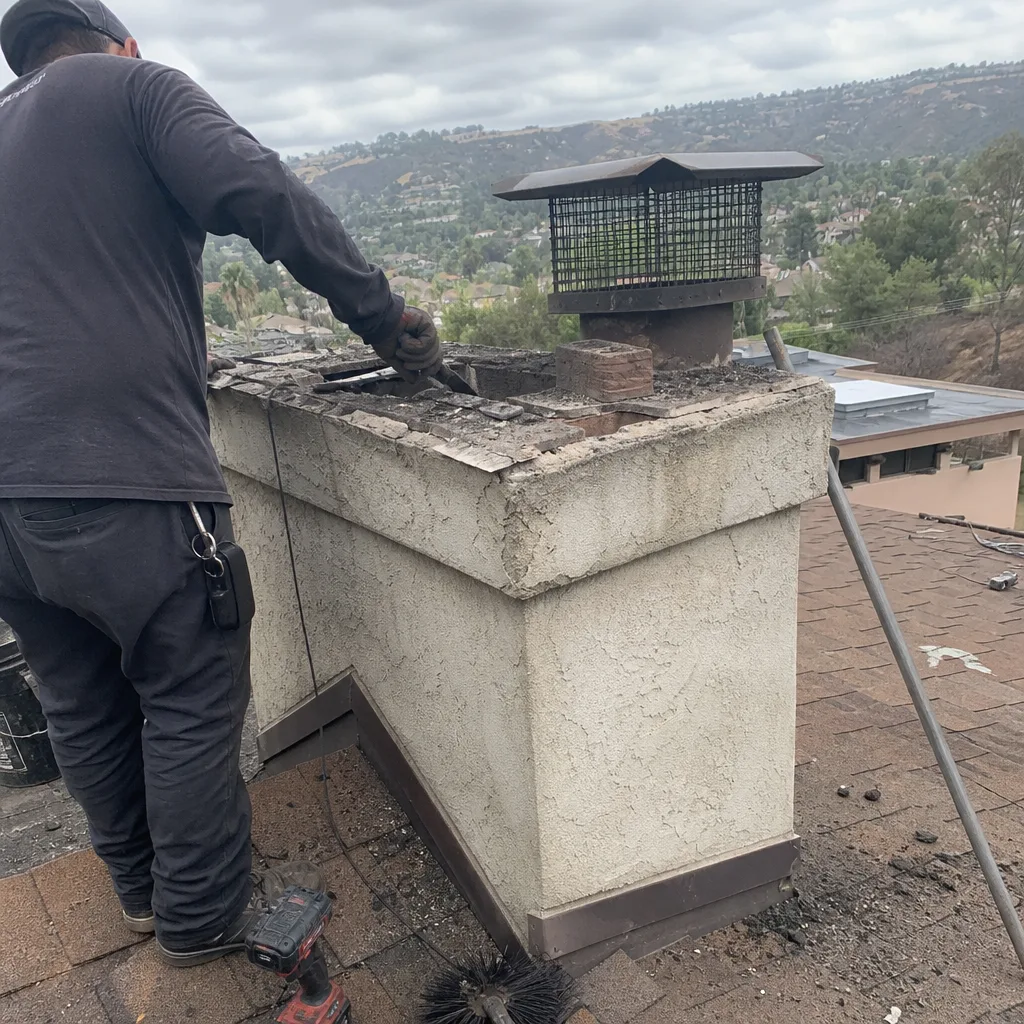 Before
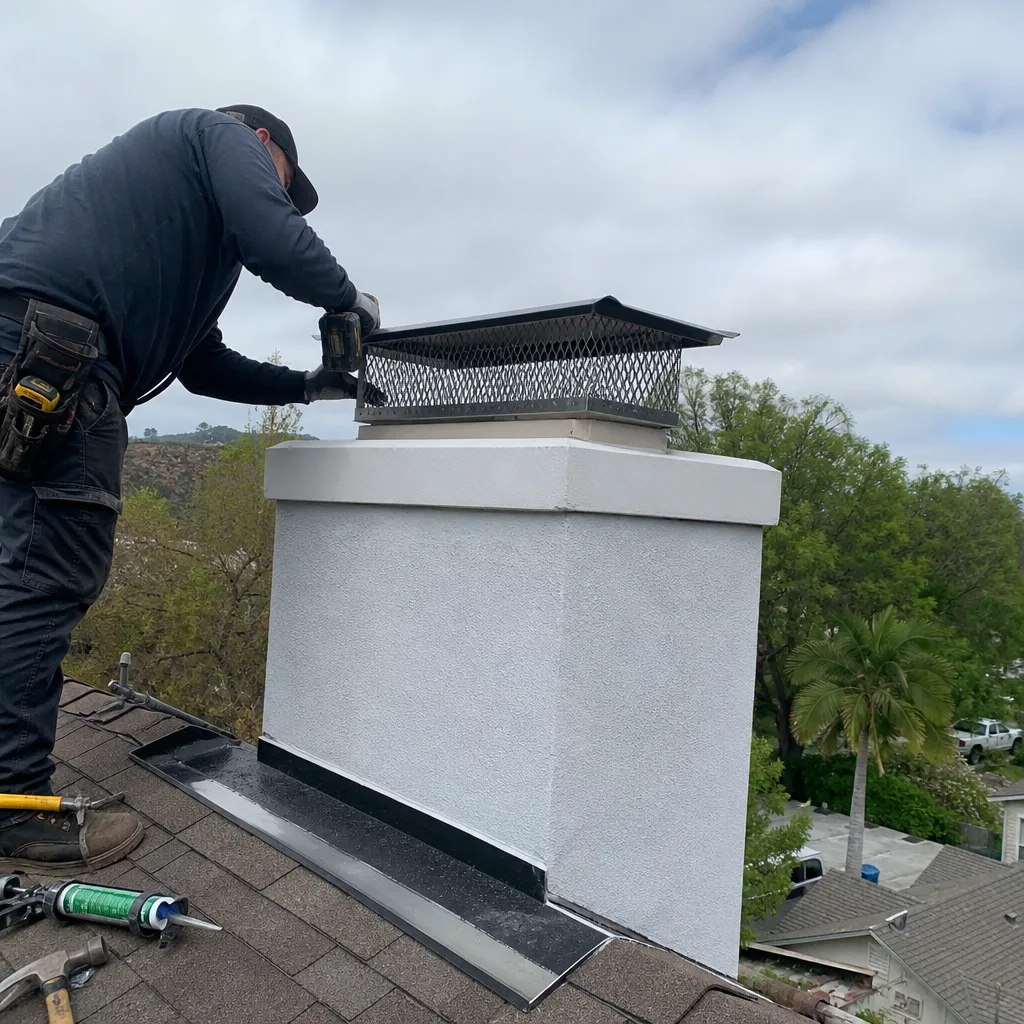 After