

Last updated October 31, 2026
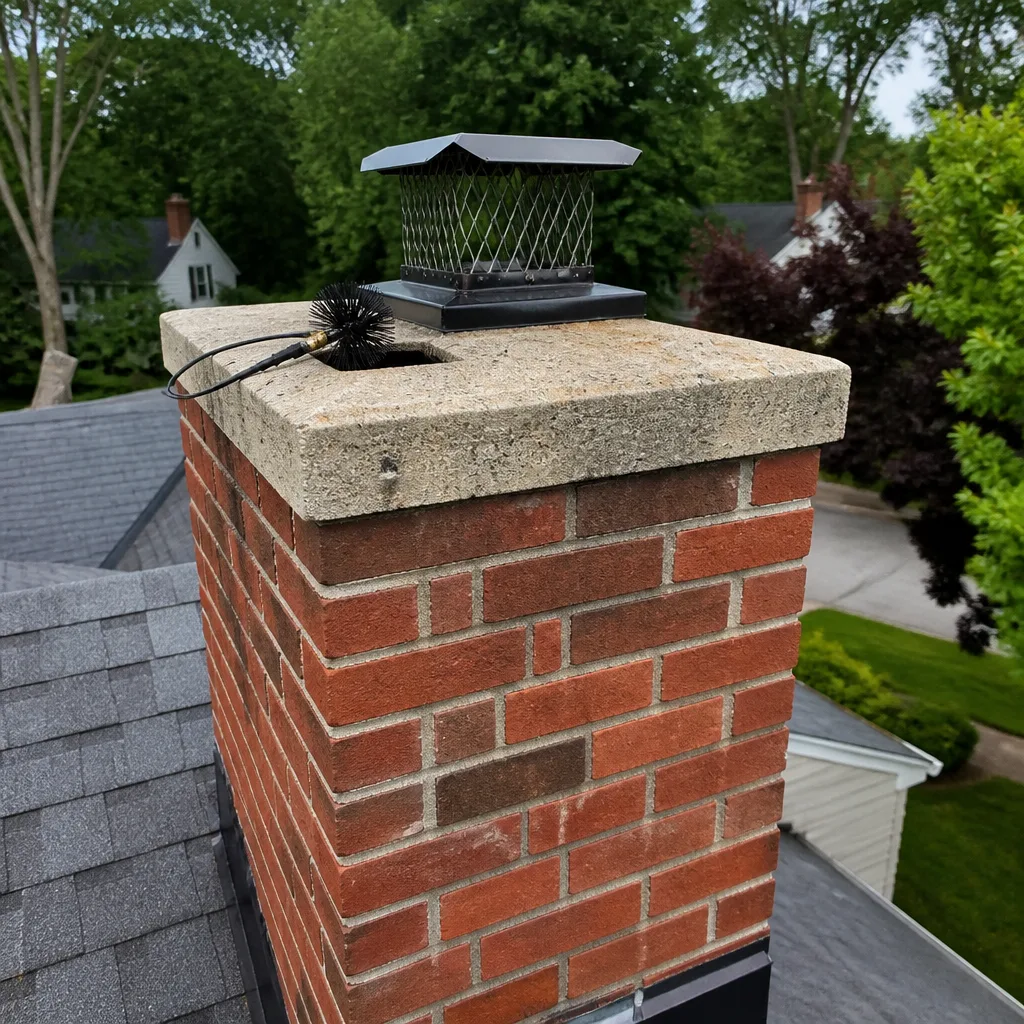 Sweep & inspection
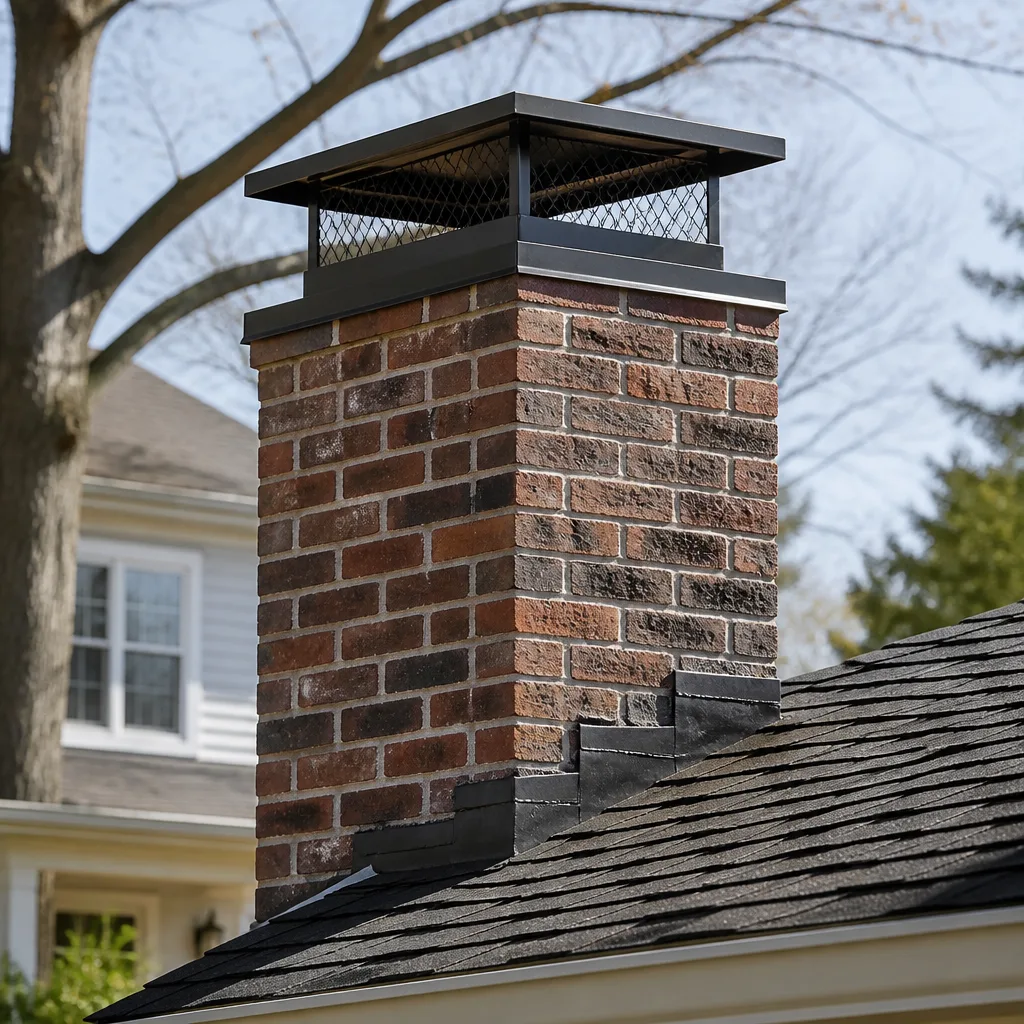 Caps & crowns
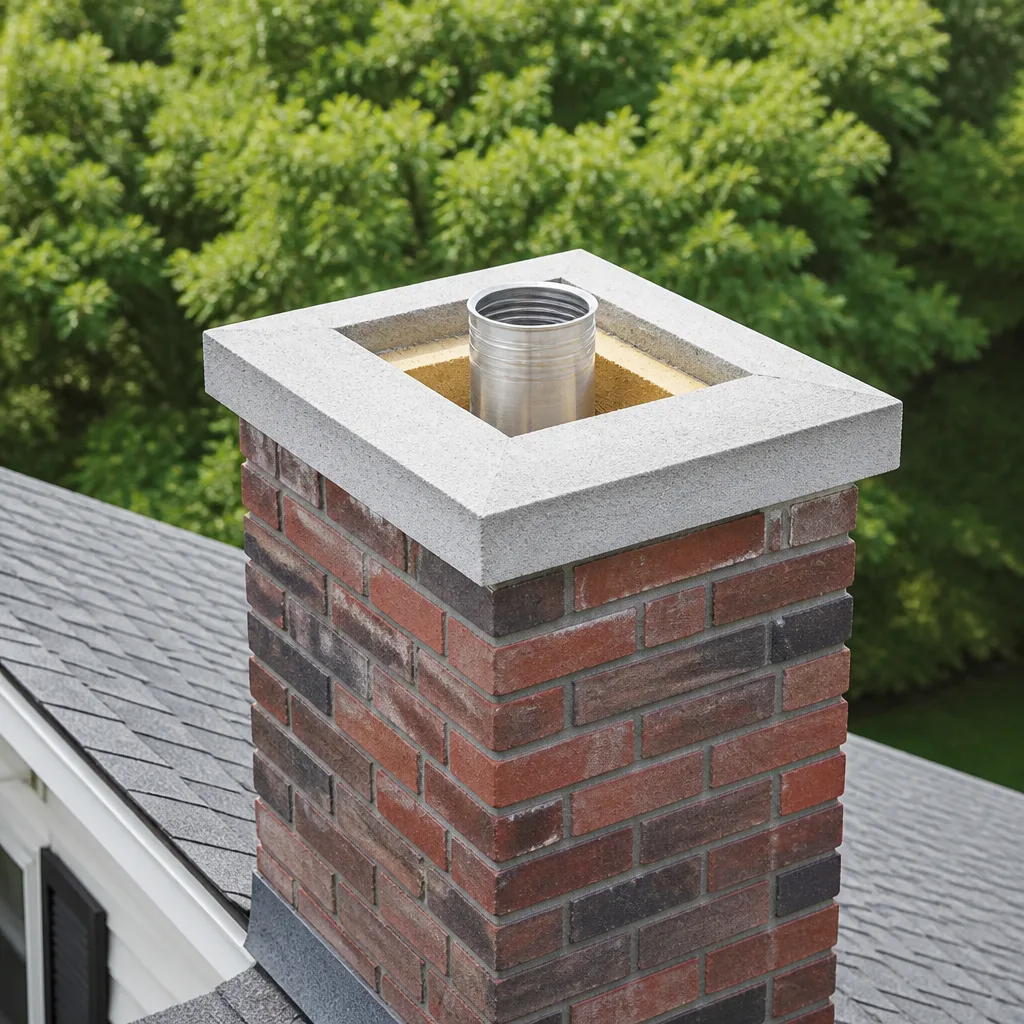 Flue relining
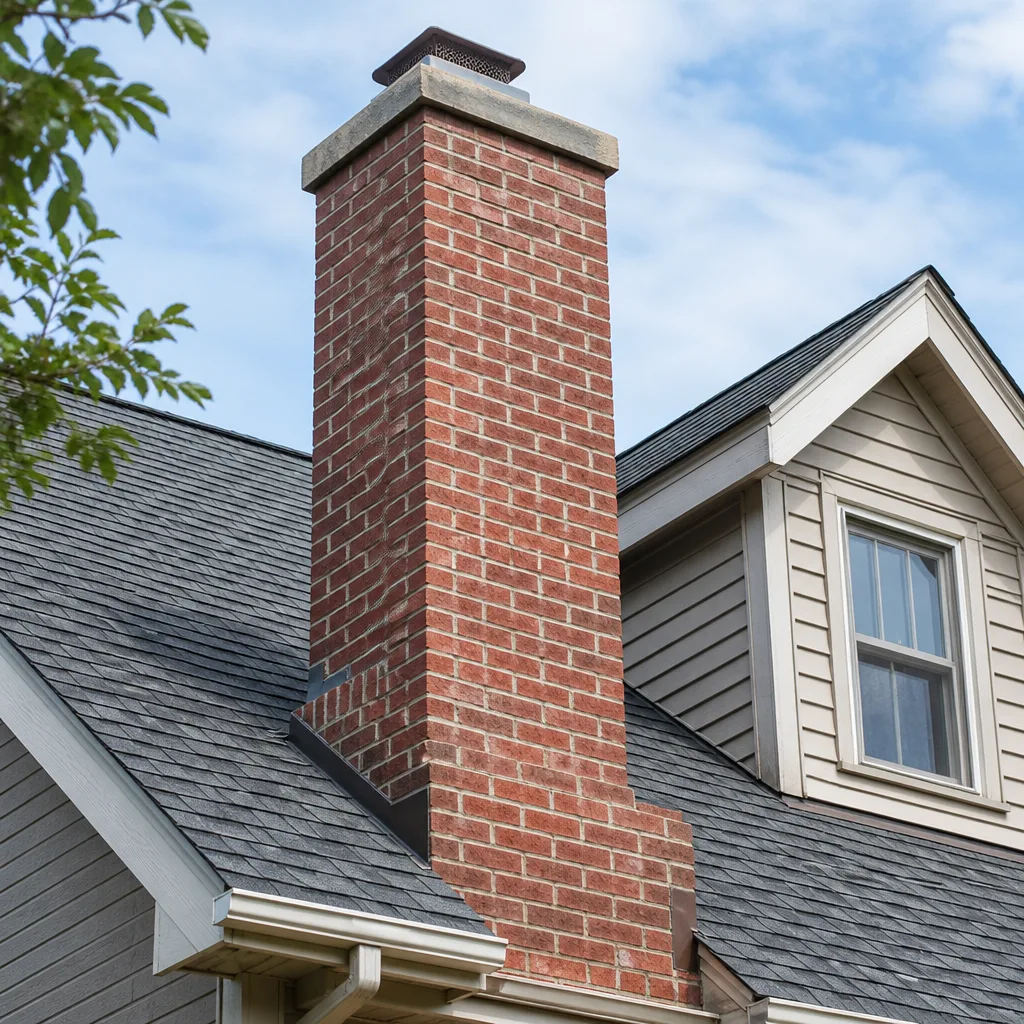 Masonry repair
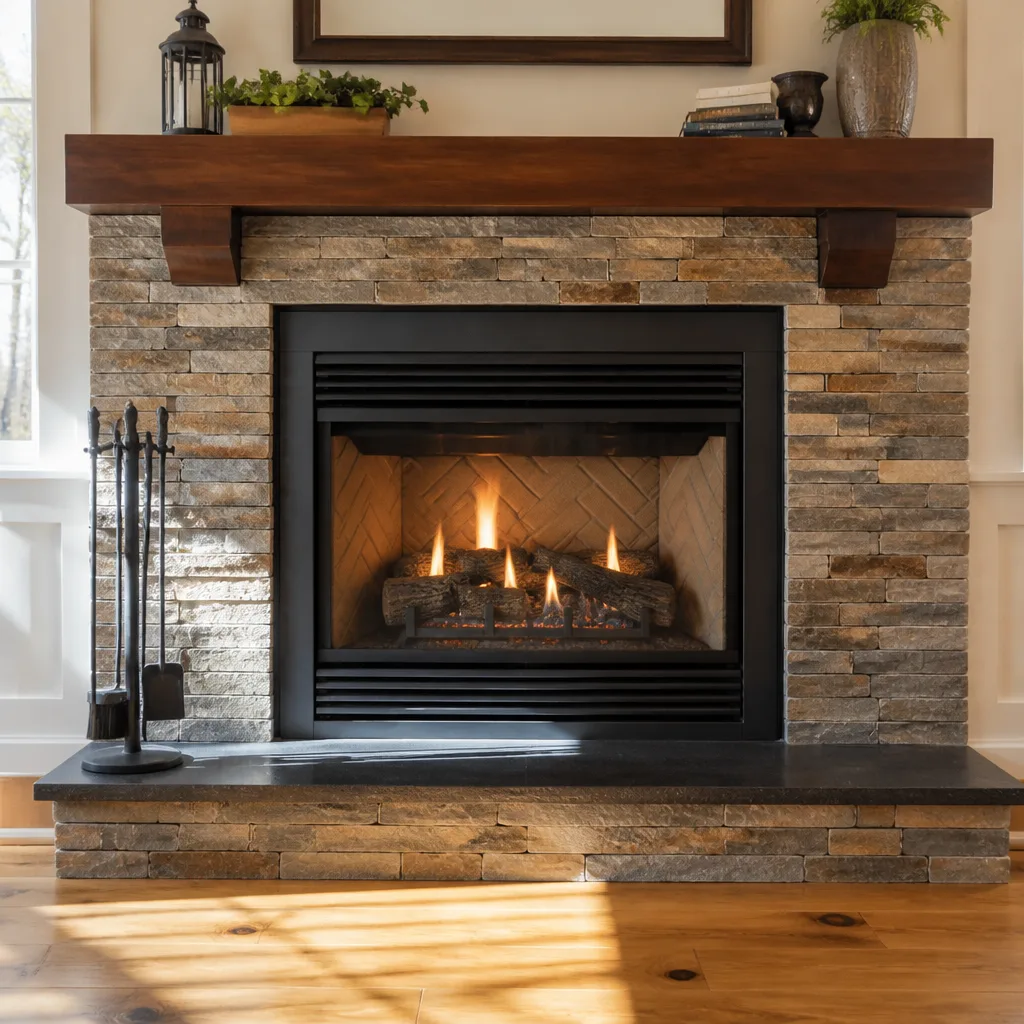 Gas fireplace service
Level 1 sweep and inspection to the NFPA 211 annual standard - flue, crown, cap, and flashing checked and photographed
Chimney sweep logs do not sweep chimneys. They loosen some creosote - which then falls where a brush and vacuum still have to collect it.
Chimney Cleaning Permits, Codes & Inspections in CA: What You Need to Know
Most California homeowners assume chimney sweeping lives in the same regulatory gray zone as gutter cleaning: no permit, no paperwork, no problem. That assumption holds until the day it doesn’t. A routine sweep is indeed permit-free in California, but the documentation burden around inspections, liner repairs, and point-of-sale disclosures catches people off guard every week. If you live in Escondido or anywhere in San Diego County, what you don’t know about NFPA 211 and Title 24 can cost you a delayed escrow, a denied insurance claim, or a chimney fire that was entirely preventable. This guide walks through exactly what California requires, what it doesn’t, and where the line between optional service and legal obligation actually sits—supplement it with our Chimney Sweep Maintenance Checklist for Escondido Homeowners for a practical follow-up.
Quick Answer
California does not require a permit to sweep a chimney, but it does require a Level 2 inspection at point of sale, after any chimney fire, and after significant structural changes, per NFPA 211 as adopted by local fire codes. Liner repairs and insert installations typically require a building permit, and Title 24 energy provisions affect damper and firebox sealing during service. Homeowners should keep written documentation from every inspection, especially if they plan to sell or file an insurance claim.
Styles & brands we work with
Table of Contents
- When a Permit Is Actually Required in California
- NFPA 211 Level 2 Inspections: What Triggers Them
- San Diego County Fire Risk Designations and Liner Requirements
- What Documentation Your Sweep Should Provide
- Title 24 Energy Provisions and Chimney Service
- Cosmetic Cleaning vs. Repair: The Permit Line
- Escondido-Specific Code and Climate Considerations
- Common Mistakes to Avoid
- When to Call a Professional
- Frequently Asked Questions
When a Permit Is Actually Required in California
The short version: sweeping a chimney is not construction, alteration, or repair under the California Building Code, so no permit is needed. The longer version involves what happens when the sweep finds something wrong. The moment you move from removing creosote to repairing a flue liner, replacing a damper, installing a chimney cap that alters the flue termination, or putting in a wood stove or gas insert, you’ve crossed into work that most California jurisdictions require a permit for.
In Escondido, the Building Division follows the California Residential Code (CRC) and the California Mechanical Code (CMC). Any modification to the venting system of a fuel-burning appliance falls under mechanical permitting. A liner replacement, whether it’s a stainless system like DuraFlex or a resurfacing treatment, changes the venting characteristics of the chimney. That’s not a gray area; it’s defined work.
Work That Does NOT Require a Permit
- Standard chimney sweeping (brush, vacuum, or rotary cleaning)
- Creosote removal and basic flue brushing
- Visual inspection of accessible chimney components
- Camera inspection of the flue interior (non-invasive)
- Cleaning a dryer vent that terminates outside the structure
Work That Typically DOES Require a Permit
- Chimney liner installation or replacement (stainless or poured-in-place)
- Chimney liner resurfacing that changes the flue cross-section
- Fireplace insert installation (wood, gas, or pellet)
- Chimney damper replacement that modifies the firebox opening
- Any structural repair to the firebox or smoke chamber
- Chimney cap installation that alters flue draft characteristics
Here’s what trips up homeowners: a contractor who says “we don’t need a permit for this” may be technically right in the moment, but if the work fails and causes a fire, your insurer will ask for the permit that should have been pulled. The permit isn’t just bureaucracy; it’s documentation that the work met code.
NFPA 211 Level 2 Inspections: What Triggers Them
NFPA 211 is the national standard for chimneys, fireplaces, vents, and solid fuel-burning appliances. California fire districts, including those in San Diego County, reference it as the baseline for inspection requirements. There are three levels of inspection, and knowing which one applies to your situation matters more than knowing what they’re called; see Chimney Cleaning Warning Signs: A Escondido Homeowner’s Reference Guide for when to act.
A Level 1 inspection happens during routine maintenance: the technician checks the readily accessible portions of the chimney, confirms the flue is clear, and verifies the appliance is connected properly. This is what you get with an annual sweep.
A Level 2 inspection is more thorough. It includes everything in Level 1 plus a video scan of the flue interior, an examination of the attic, crawlspace, and roof penetration, and an assessment of clearances to combustibles. Here’s when a Level 2 becomes legally required, not just recommended:
- At point of sale or property transfer. When a home changes hands in California, many lenders and insurance carriers require a Level 2 inspection before closing. The seller’s disclosure obligations under California Civil Code Section 1102 make it risky to skip.
- After a chimney fire. Any chimney fire, even one you think was small, damages the liner and mortar joints in ways that aren’t visible from the outside. A Level 2 is the minimum standard before the chimney can be used again.
- After a seismic event. In Escondido, which sits in a moderate seismic zone, a chimney that shifted during an earthquake needs a Level 2 to verify structural integrity before use.
- After significant changes to the chimney or appliance. If you reline the flue, change fuel types, or modify the firebox, a Level 2 documents that the new configuration meets clearance and draft requirements.
- When an installer can’t visually verify the flue condition. This happens more often than you’d think. If you’re having a new insert installed and the flue is unlined or previously damaged, code requires the installer to verify the venting path before connecting the appliance.
In our experience across Escondido and the surrounding foothills, the point-of-sale requirement is the one that catches most homeowners. They’ve been burning wood for years without incident, and suddenly the escrow officer is asking for a video scan report they don’t have. The inspection itself isn’t expensive. The delay it causes during escrow is.
San Diego County Fire Risk Designations and Liner Requirements
San Diego County operates under a Fire Hazard Severity Zone map that classifies areas from moderate to very high fire risk. Escondido’s eastern neighborhoods, including areas near Daley Ranch and the San Pasqual Valley corridor, sit in zones where the California Fire Code imposes stricter requirements on solid fuel-burning appliance venting.
What does that mean for a chimney cleaning? The fire risk designation doesn’t change how you sweep, but it directly affects what repairs are approved under code when damage is found. If your flue liner has spalled or cracked, leaving gaps where heat can reach combustible framing, repairing it isn’t optional in a high-severity zone. It’s the difference between a compliant vent and a fire waiting for the next Santa Ana wind event.
Approved repair materials under current California code include stainless steel lining systems, properly listed ceramic coatings, and masonry reconstruction that meets ASTM standards. This is where the materials matter. We specify DuraFlex stainless liners for full relines because they carry the ULC and UL listings that California inspectors look for. For cases where the liner is damaged but not structurally compromised, HeatShield resurfacing can rebuild the flue interior without the cost or invasiveness of a full reline. Both approaches meet code; the condition of the flue dictates which one applies.
Liner Materials Approved for Repair Under Current CA Code
- Stainless steel (UL 1777 listed): Standard for wood-burning and high-temperature applications. Flexible systems like DuraFlex fit existing flues without demolition.
- HeatShield Cerfractory coating: A resurfacing compound that restores missing mortar joints and seals minor cracking. UL listed for specific repair applications.
- Poured-in-place refractory: A cast-in-place liner system that forms a new flue inside the existing masonry. Requires a permit and an installer with specific manufacturer certification.
- Vitrified clay tile repair: Individual tile replacement is acceptable when damage is limited to one or two tiles and the surrounding masonry is sound. Less common as a standalone repair now than it was 30 years ago.
The code doesn’t care which brand you use; it cares that the product carries the right listing for the application. A hardware-store liner kit without a UL 1777 stamp will fail inspection, and in a fire risk zone, the inspector will look at the documentation closely.
What Documentation Your Sweep Should Provide
Here’s the uncomfortable truth: a chimney sweep who hands you a receipt that says “chimney cleaned, $149” has given you almost nothing. When your insurance company asks for proof of maintenance after a fire claim, or when an escrow officer wants verification of flue condition, that receipt won’t survive scrutiny.
A professional chimney service should provide documentation that answers four questions: When was the chimney last inspected? What was the condition of the flue at that time? What was done during service? What follow-up, if any, is recommended?
The Documentation Standard We Follow
- Written inspection report covering the condition of the flue, firebox, damper, cap, and crown. No verbal summaries; it’s on paper.
- Video scan images or a written description of the flue interior. A camera inspection isn’t an upsell; it’s the only way to document what the eye can’t reach. Your insurer and your escrow officer expect video verification.
- Work performed summary with specific details: amount of creosote removed, any blockages found, components replaced or repaired.
- Recommendation for next service based on usage patterns and the condition observed. This creates the maintenance record insurers look for.
- Product documentation if repairs are performed: the listing information for any liner, damper, or cap installed, including the UL or ULC number.
For homeowners in Escondido planning to sell within the next five years, keeping this documentation in a folder means the difference between a smooth escrow and a contingent sale that falls apart over a missing inspection report. The California disclosure process doesn’t forgive lost paperwork.
Title 24 Energy Provisions and Chimney Service
Title 24 is California’s energy efficiency code, and most people don’t connect it to chimney work at all. But the connection is real, and it shows up in two places during a typical service call: dampers and firebox sealing.
When a conventional masonry fireplace is not in use, the open damper functions as a hole in your building envelope, siphoning conditioned air out of the house. Title 24’s building envelope requirements mean that fireplaces manufactured after a certain date must include a gasketed, low-leakage damper or a flue damper that meets the code’s leakage standards. If your sweep finds that the damper doesn’t seal, or that the firebox has gaps around the lintel and throat that let conditioned air escape, addressing those isn’t just a comfort issue. It’s an energy compliance issue that Title 24 speaks to directly.
During a chimney cleaning in Escondido, we check damper function and firebox sealing as part of the service. A warped damper plate that lets a stream of cold air drop into the living room all winter is an energy leak that you’re paying for every month. Replacing it with a properly gasketed unit brings the fireplace closer to Title 24’s intent and cuts the draft that makes the room feel cold even with the fire going.
The code also affects gas log and insert installations. Any gas appliance installed in California must meet the applicable appliance efficiency standards, and the venting must be configured to minimize heat loss when the unit is off. If you’re converting a wood-burning fireplace to gas, the venting changes are part of the permit application, and the inspector will look at damper configuration and flue sealing as part of the approval.
Cosmetic Cleaning vs. Repair: The Permit Line
The question we hear most often from Escondido homeowners is a simple one: “Is this a cleaning job or a repair job?” The distinction matters because it determines whether a permit is required, what documentation is generated, and whether your insurance will cover the work if something goes wrong—our Chimney Sweep Troubleshooting: Common Problems and How to Fix Them breaks down typical scenarios.
A chimney sweep is a maintenance procedure. It removes creosote, soot, and debris from the flue. It doesn’t alter the structure, change the venting configuration, or modify any component. No permit, no inspection, no code compliance question. A repair changes something about how the chimney functions. If the flue liner is cracked and we resurface it with HeatShield or install a DuraFlex liner, the venting characteristics of the chimney have changed. That’s a repair, and it triggers the permit requirement in most California jurisdictions.
Here’s what this means practically: if your sweep finds damage, you want that documentation in the same report that covers the cleaning. The report becomes the evidence that the damage was discovered during routine maintenance, not caused by neglect. If your insurer asks why the chimney wasn’t maintained, you have a paper trail showing regular service and prompt follow-up on any findings.
The line between cleaning and repair can also affect property disclosure. A chimney that has been swept every year and shows no damage is easy to disclose. A chimney that showed spalling in a video scan three years ago and was never addressed is a different story. California’s disclosure requirements ask for known material facts, and a documented flue defect you ignored is a material fact. The paperwork protects you if it shows you acted on it.
Escondido-Specific Code and Climate Considerations
Escondido’s climate creates a specific set of conditions that affect chimney maintenance and inspection timing. We’re inland enough to get real winter burning months, but close enough to the coast that humidity swings are common. That cycle of wet winters and dry, hot summers stresses brick and mortar in ways that newer homeowners don’t always anticipate.
Creosote buildup here tends to be moderate compared to colder climates. Most Escondido homeowners burn oak or manufactured logs, and the burning season runs roughly November through March. That’s four to five months of active use, which means an annual sweep in the early fall keeps the flue safe before the season starts. Waiting until January means burning through the creosote that accumulated last spring, which is exactly how chimney fires start.
The bigger climate issue is moisture. Escondido’s sporadic heavy rains, especially during El Niño years, expose any weakness in the chimney crown or cap. A cracked crown lets water into the flue, and that water mixes with creosote to form an acidic slurry that eats mortar joints. A chimney that was fine in September can show deterioration by March. For that reason, we recommend Escondido homeowners schedule their sweep in late summer or early fall, after the dry season, when any moisture damage from the previous winter has had time to show itself.
Building code enforcement in Escondido follows San Diego County standards, which means permit requirements mirror what we’ve covered throughout this guide. The Escondido Building Division reviews chimney work as part of the structural and mechanical permitting process, and installations that change venting require an inspection before the appliance can be used. Homeowners in the unincorporated areas east of the city, including parts of San Pasqual Valley, may fall under county jurisdiction rather than city, but the code requirements are substantively the same.
If you’re working with a chimney sweep in San Marcos or elsewhere in North County, the same inspection standards apply. The code doesn’t shift at the city line; it’s the Oakleaf Chimney Sweep home service area’s consistent baseline.
Common Mistakes to Avoid
- Skipping the camera inspection to save money. A Level 1 visual inspection cannot see the middle third of the flue, which is where most liner damage develops. The $75 you save today becomes a $6,000 liner replacement you didn’t plan for.
- Assuming a home sale inspection is optional. In California, the buyer’s lender or insurer often requires a Level 2 inspection as a condition of closing. If you’re selling and the chimney hasn’t been video-inspected, schedule it before you list, not after the offer is signed.
- Using a handyman for chimney repairs. The California Mechanical Code requires that venting system work be done by someone who understands the listing requirements and clearance standards. A generalist who doesn’t know NFPA 211 can create a code violation you won’t discover until the inspector arrives or the fire happens.
- Burning without knowing the liner condition. Many Escondido homes built before the 1980s have unlined chimneys or liners made of unreinforced clay tile. These systems were never designed for the sustained temperatures of modern wood stoves or the acidity of manufactured log exhaust. Burning against an unlined flue is the single biggest preventable fire risk in local chimneys.
- Treating dryer vents as an afterthought. Dryer vents clog, overheat, and catch fire just like chimneys. Cleaning yours belongs on the same maintenance schedule as the chimney, not deferred until the dryer stops working. The dryer vent cleaning in San Marcos service we offer exists because lint buildup is a leading cause of home fires, and it’s not a problem that solves itself.
- Ignoring the damper between burning seasons. An open damper in a gas or wood fireplace costs you money every day through conditioned air loss. Title 24 changed the standard for new fireplaces; homeowners with older units should verify damper sealing during every service call.
When to Call a Professional
A professional chimney service is warranted whenever the answer to “is this safe?” depends on information you don’t have. That includes buying or selling a home, commissioning a fireplace or stove that hasn’t been used in years, hearing unusual noises from the flue during windy conditions, noticing staining or efflorescence on the chimney exterior, or burning for a season without a documented inspection. If you’re in Escondido and any of these apply, the chimney repair in San Marcos service area covers the full diagnostic process, including video inspection and a written report. Oakleaf Chimney Sweep offers free estimates in Escondido – call (855) 362-1450 to schedule.
Frequently Asked Questions
Chimney sweeping in California typically runs $150 to $300 for a standard cleaning, with the range depending on flue height, creosote buildup, and whether a camera inspection is included. Escondido prices sit in the middle of that range. Call (855) 362-1450 for an exact quote – estimates are free.
That depends entirely on the condition of the existing liner. Hairline cracking and missing mortar joints can often be addressed with HeatShield resurfacing, which rebuilds the flue interior without a full reline. If the liner has collapsed, separated, or allowed heat to reach the masonry, a DuraFlex stainless reline is the code-compliant answer. A video inspection determines which path fits your chimney.
NFPA 211 recommends an annual inspection and cleaning whenever the accumulation reaches 1/8 inch of creosote. For Escondido homeowners who burn three to five months a year, an annual fall sweep keeps the flue within that standard. Gas fireplaces need less frequent sweeping, but their venting still needs an annual check for blockages and damper function.
Creosote accumulates to the point of ignition risk, liner damage worsens without detection, and gaps open between the flue and combustible framing. Chimney fires in San Diego County are frequently traced to flues that hadn’t been inspected in years. If a fire does occur and you can’t show maintenance records, your insurer has grounds to reduce or deny the claim.
Yes. California disclosure law requires sellers to reveal known material facts about the property, and a documented flue defect is a material fact. If you’ve had an inspection that found damage and didn’t repair it, that information belongs in the disclosure package. The cleanest course is to get the inspection, fix what’s found, and keep the repair documentation.
No. Any appliance installation that changes the venting configuration requires a mechanical permit through the Escondido Building Division. The permit process includes a flue inspection and final sign-off before the unit can be used. Skipping the permit creates liability, insurance complications, and a disclosure problem when you sell.
The Bottom Line
California’s chimney codes create a specific set of obligations that most homeowners don’t discover until the consequences arrive. You don’t need a permit to sweep, but you do need documentation that your chimney is safe to burn. You need a Level 2 inspection at point of sale, after a chimney fire, and after any structural change. Title 24 quietly requires damper and sealing compliance that older fireplaces often lack. The paperwork you keep today is the difference between a smooth transaction and a costly delay tomorrow. If you’re in Escondido, start with a documented inspection and explore more guides & resources to stay ahead of compliance.
Written by the team at Oakleaf Chimney Sweep, serving Escondido since 2016.
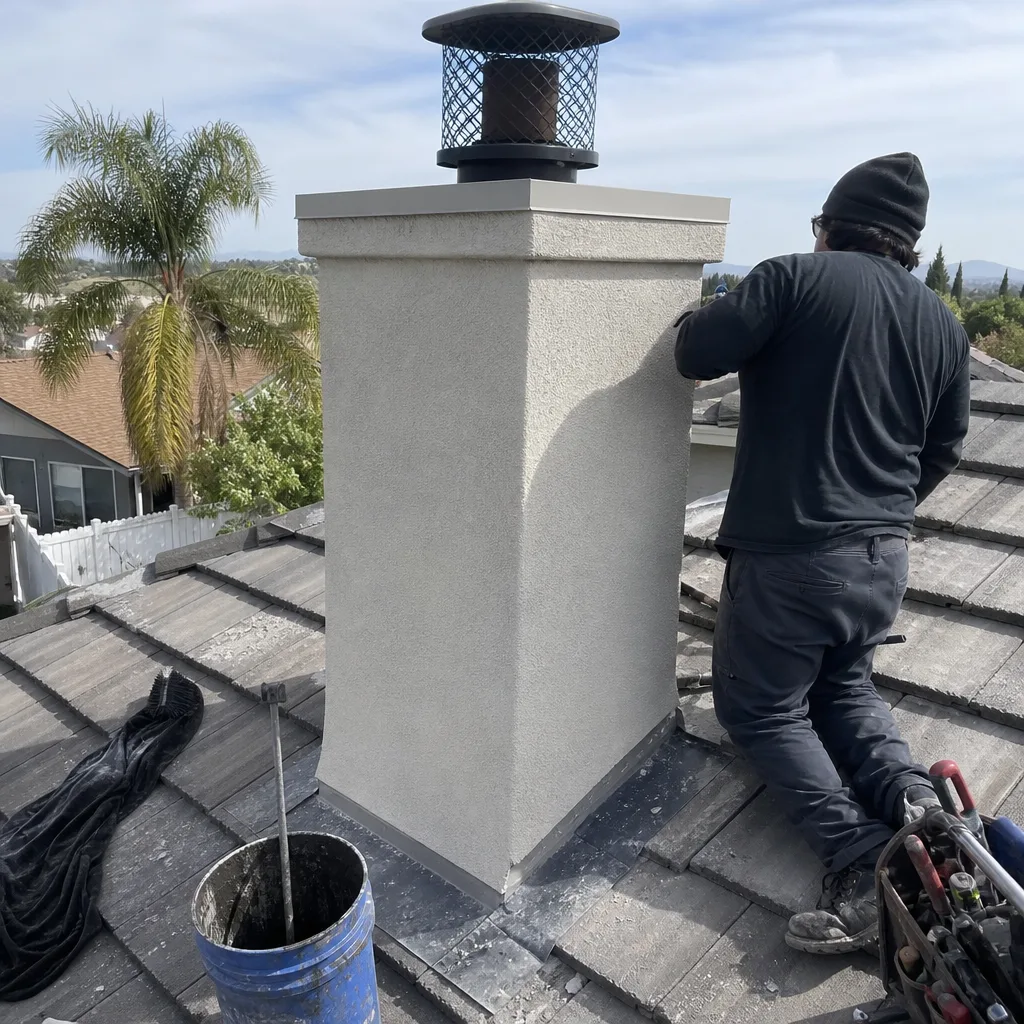
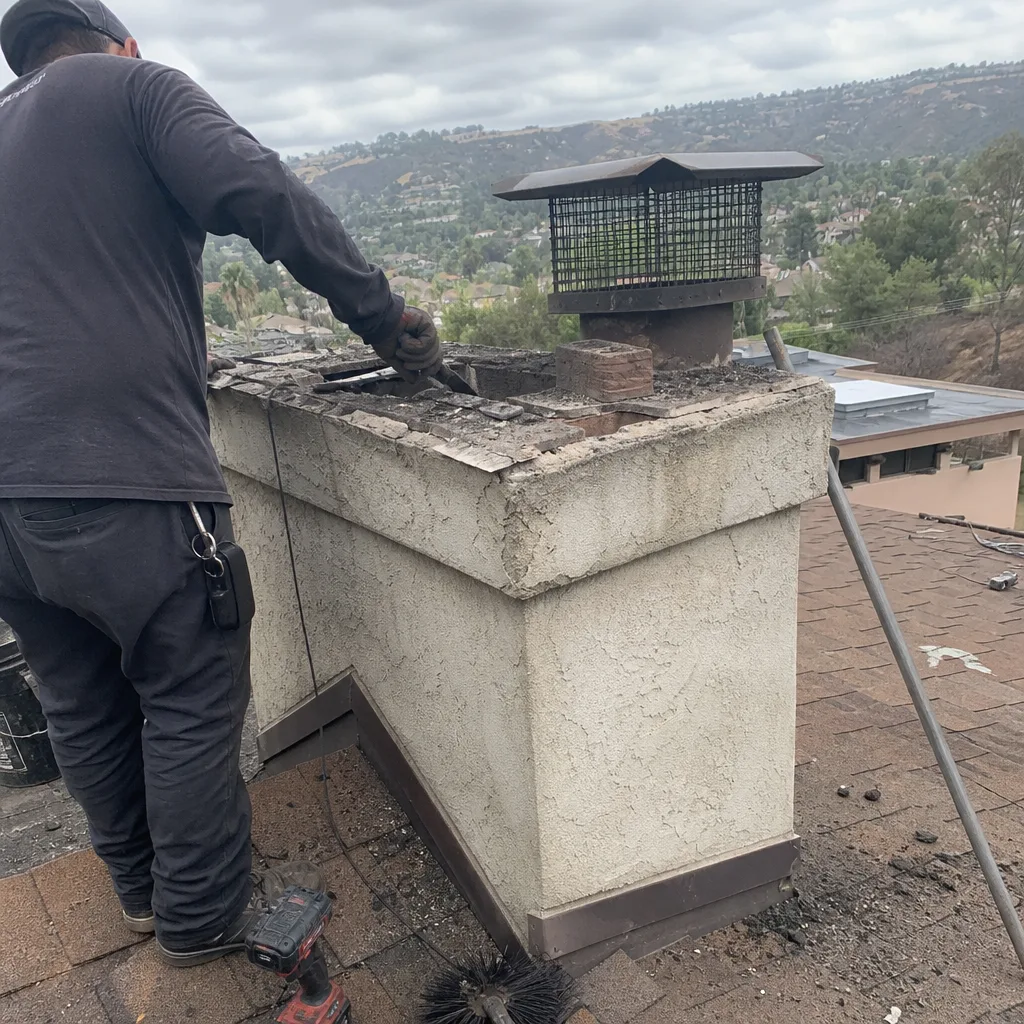
See the difference
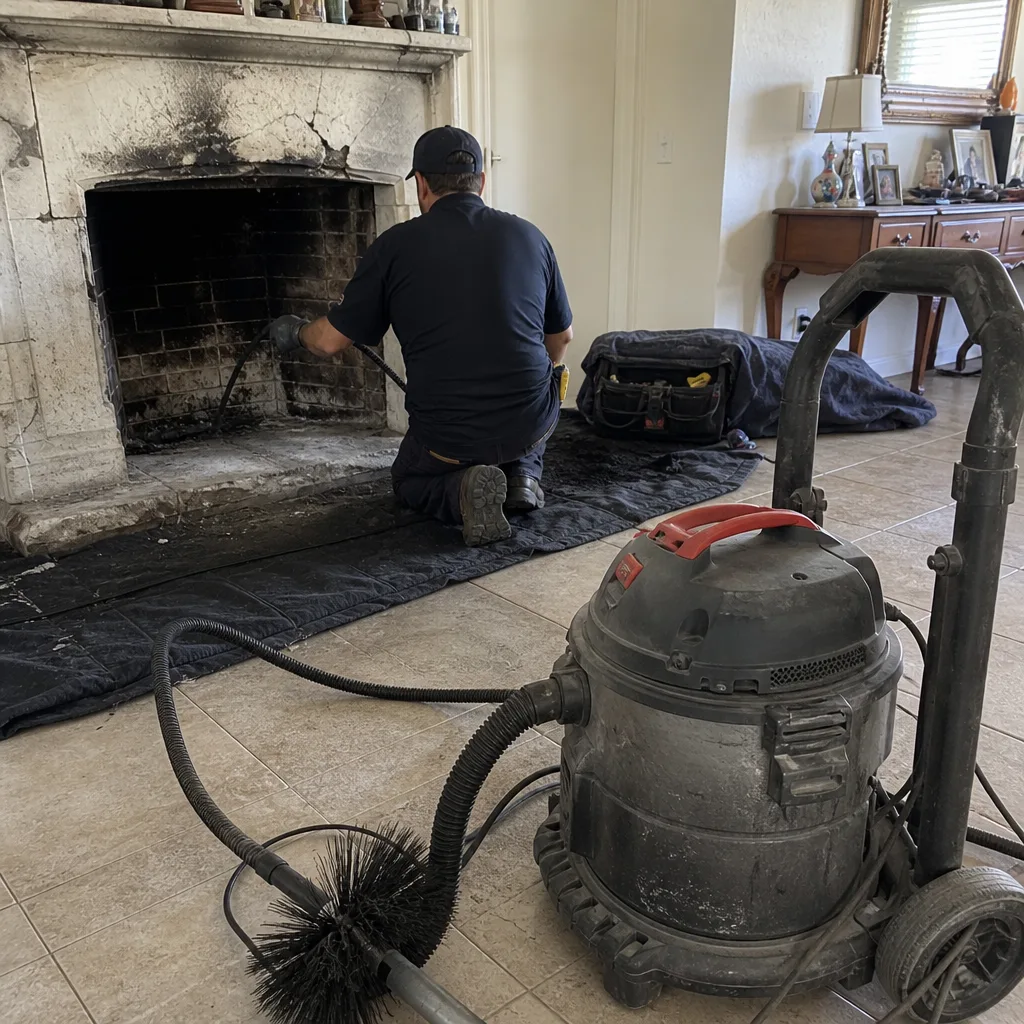 Before
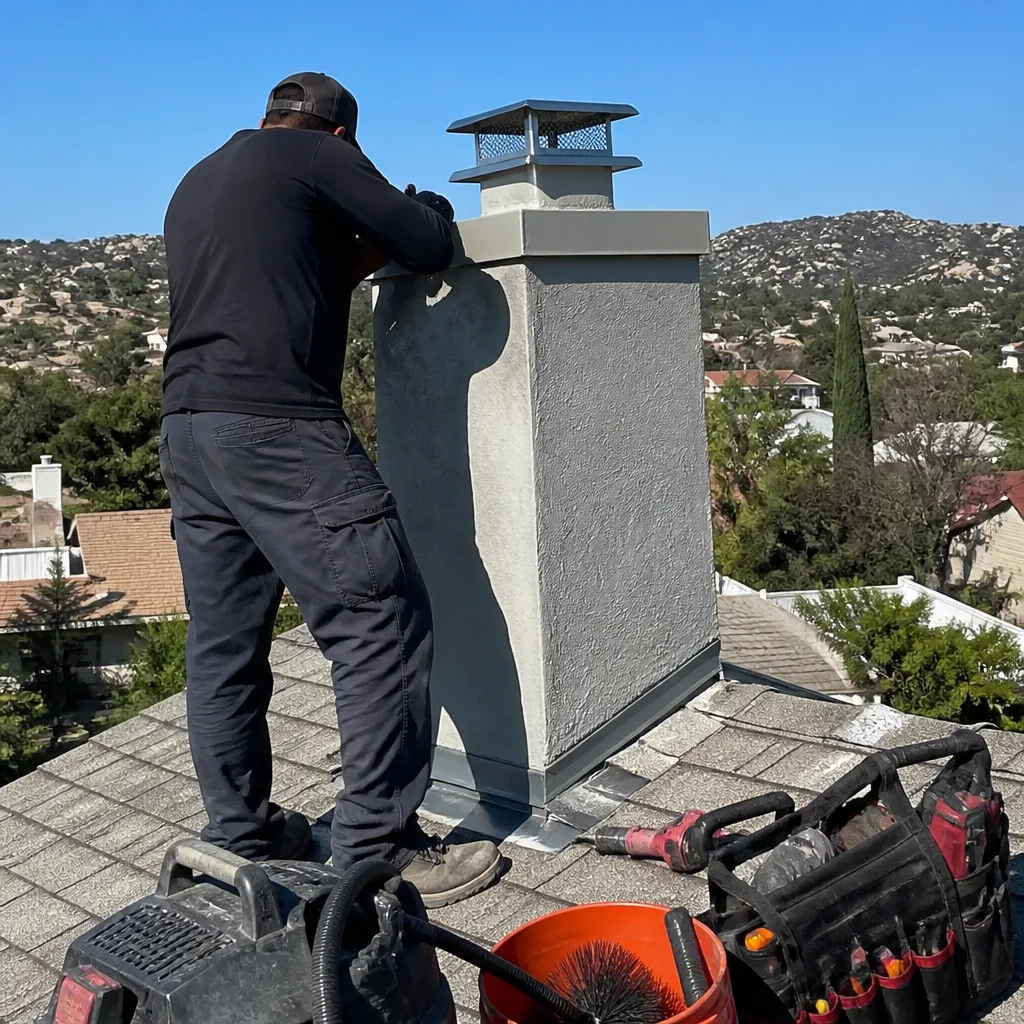 After
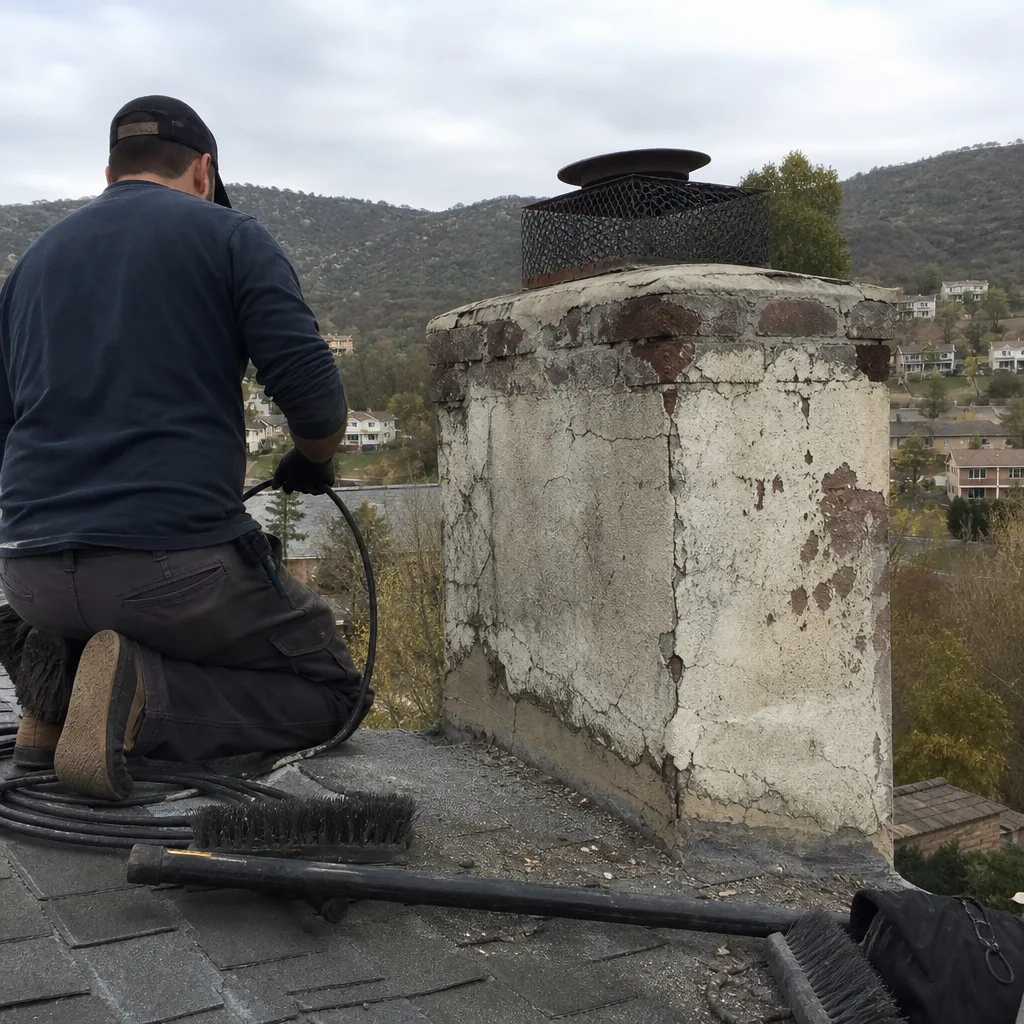 Before
 After
 Before
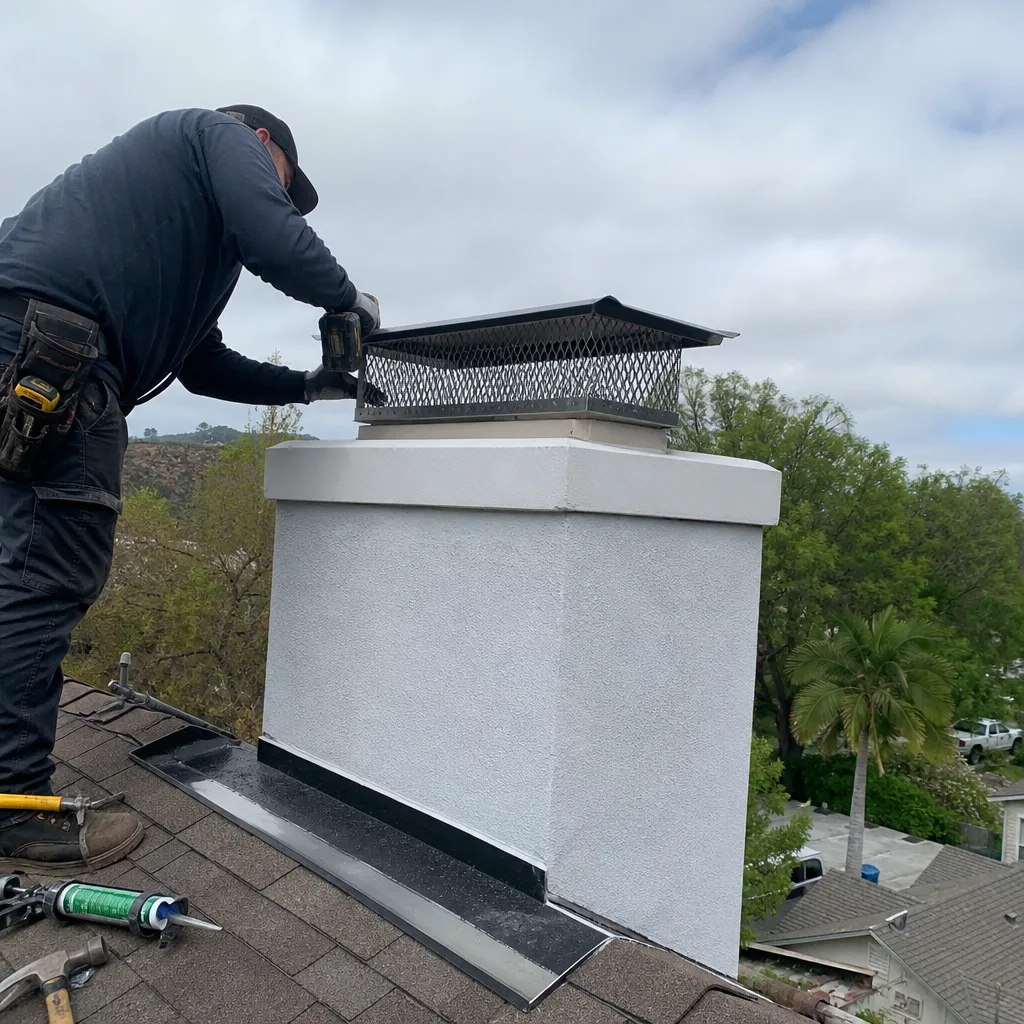 After