

Last updated October 31, 2026
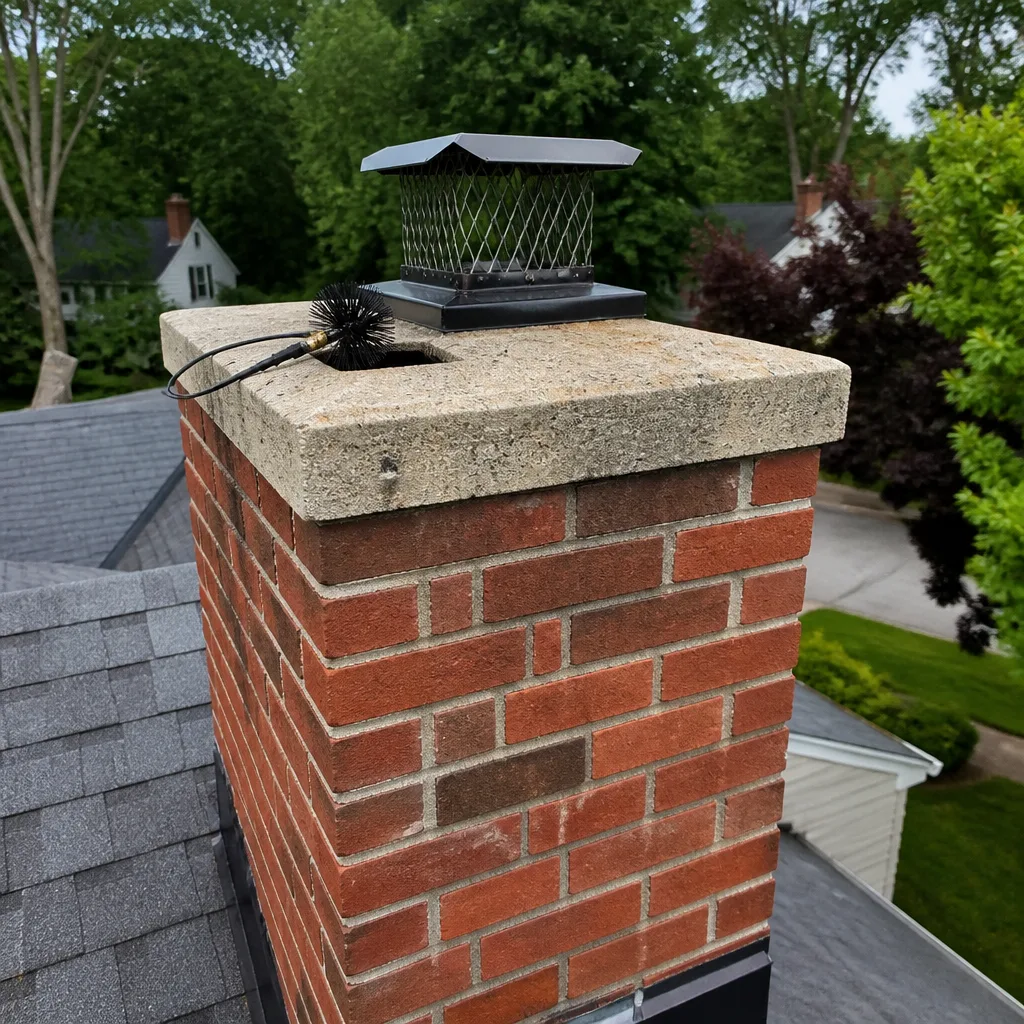 Sweep & inspection
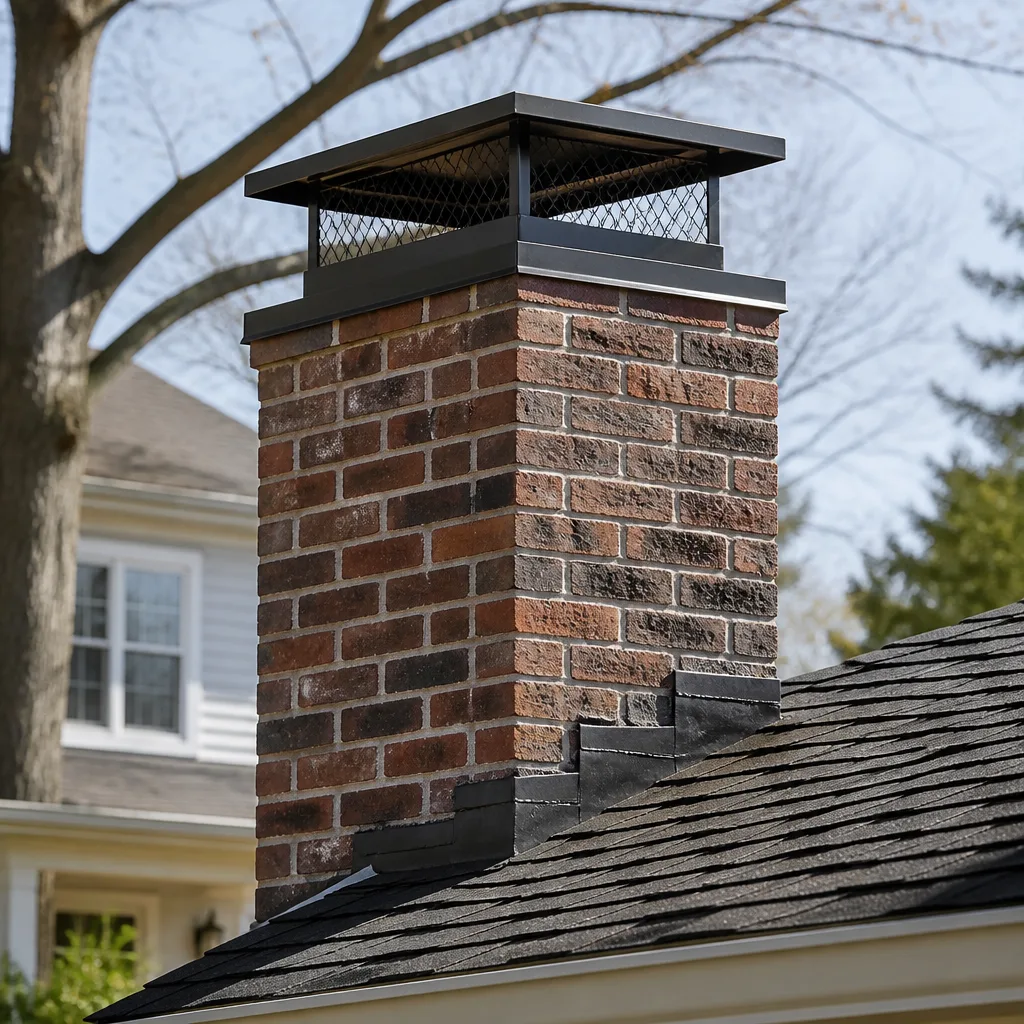 Caps & crowns
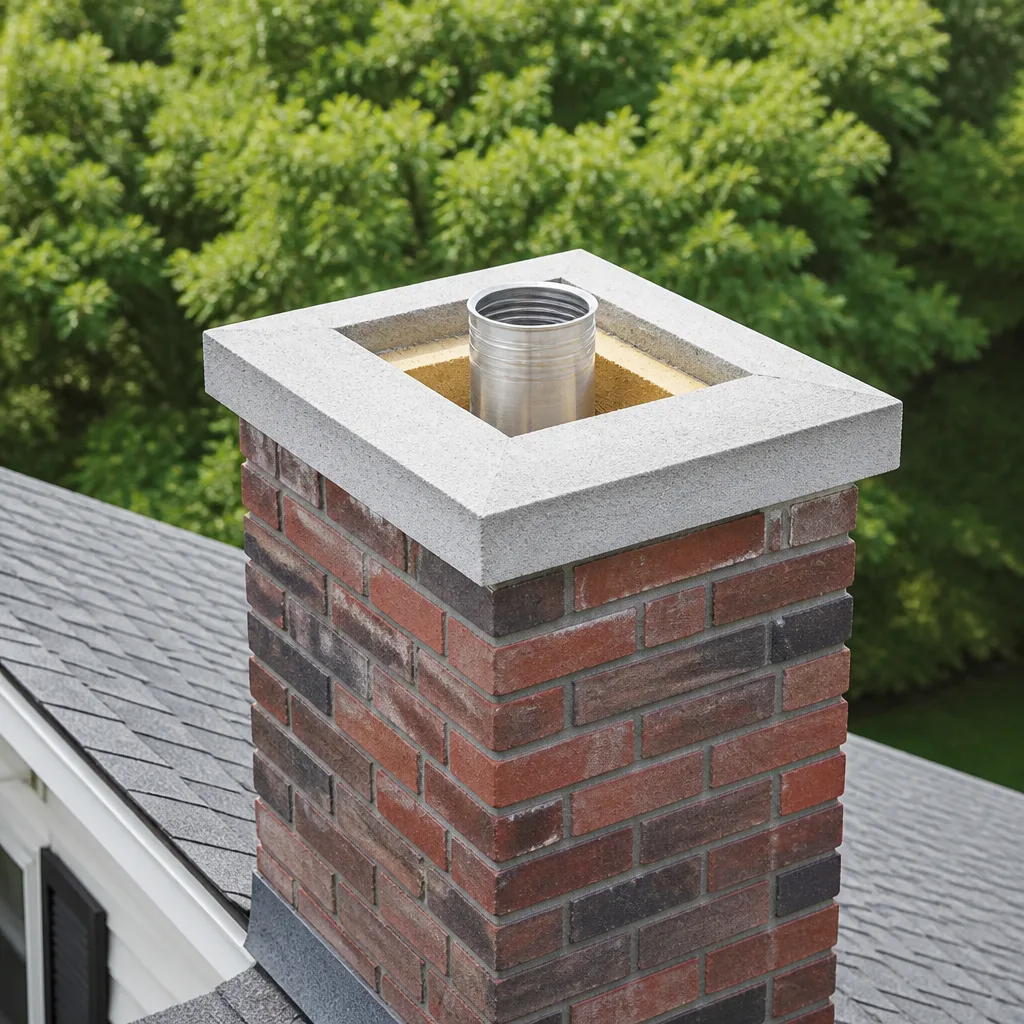 Flue relining
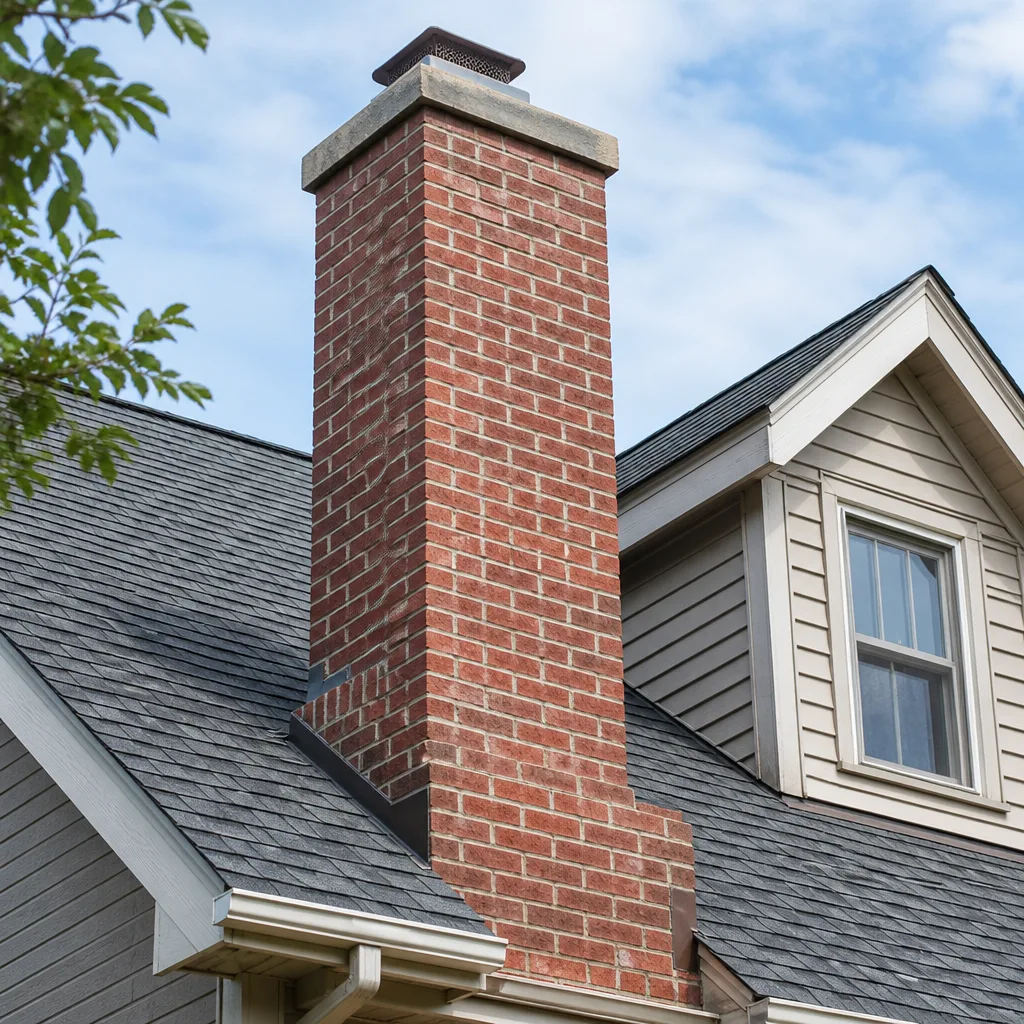 Masonry repair
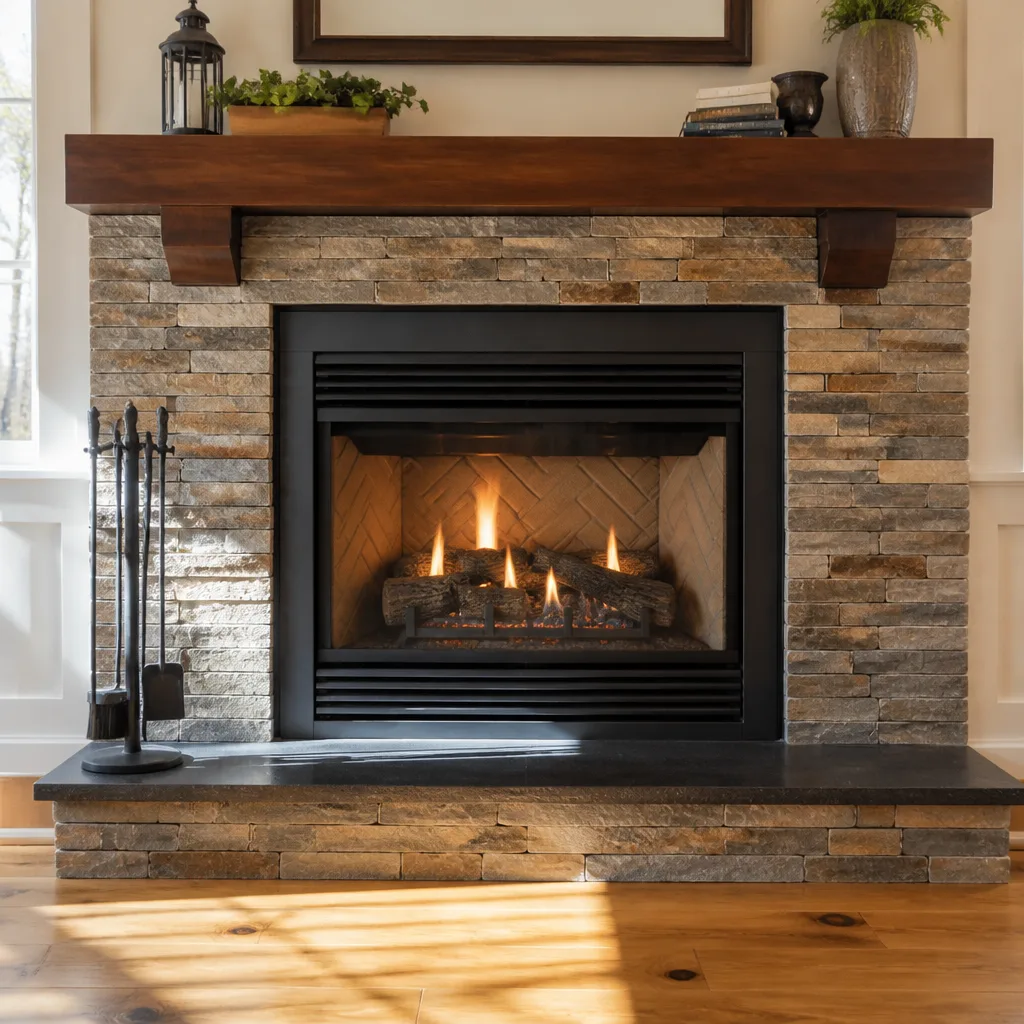 Gas fireplace service
Level 1 sweep and inspection to the NFPA 211 annual standard - flue, crown, cap, and flashing checked and photographed
Chimney sweep logs do not sweep chimneys. They loosen some creosote - which then falls where a brush and vacuum still have to collect it.
Seasonal Chimney Cleaning Care for Escondido: Year-Round Homeowner’s Guide
Most chimney guides assume four seasons and a cold winter. Escondido doesn’t work that way. The most damaging period for an Escondido chimney isn’t the few weeks you actually build fires; it’s the eight months the fireplace sits idle while summer heat bakes creosote residue onto flue walls, Santa Ana winds shove debris past a corroded cap, and marine layer moisture condenses inside a cooling metal liner. This guide—along with our more guides & resources—explains what to check during each of Escondido’s two real chimney seasons, the transition points most homeowners miss, and the maintenance rhythm that prevents small problems from becoming liner replacements. We’ll cover specific timing, local climate factors, and what a proper seasonal inspection in Escondido actually involves.
Quick Answer
Year-round chimney care in Escondido means two focused checklists per year: a post-season inspection in March or April (after your last fire, before summer heat sets in) and a pre-season verification in October (before your first fire, after Santa Ana winds begin). The March check prevents summer heat from baking acidic creosote into the flue liner, and the October check catches debris, pest intrusion, and moisture damage from the marine layer. A professional sweep once per year, timed to either transition, satisfies the National Fire Protection Association standard and keeps both your chimney and dryer vent on the same maintenance schedule.
Styles & brands we work with
Table of Contents
- Why Escondido Has Two Chimney Seasons, Not Four
- The March Post-Season Checklist: Before Summer Heat Arrives
- How Summer Heat Damages an Unused Chimney
- Marine Layer Moisture and Metal Flue Liners
- Santa Ana Winds: The Fall Intrusion Problem
- The October Pre-Season Checklist: Before Your First Fire
- A Maintenance Schedule That Actually Works in Escondido
- Why Dryer Vent Cleaning Belongs on the Same Calendar
Why Escondido Has Two Chimney Seasons, Not Four
Escondido’s climate splits the chimney year into a short firing window (roughly November through February) and a long dormant period (March through October). That dormancy is not a vacation for your chimney. Heat accumulates in attics and flue cavities through July, August, and September. Creosote left on flue walls from winter fires softens in that heat, then re-hardens in a denser, more adhesive state. By October, what started as a light powder can become a glaze that resists standard brushing.
The marine layer adds a second variable. Escondido sits far enough inland to avoid the worst coastal fog, but onshore flow still pushes humid air through the valleys during late spring and early summer nights. That moisture finds its way into flue interiors, especially metal liners that cool quickly after sunset. In our experience, flues that were perfectly dry at the end of March can show light surface rust or mineral staining by August, even without a single fire being lit.
If you only think about your chimney when you smell smoke in the living room, you’re already behind the damage curve. A better approach treats both transitions, March and October, as fixed appointments. Each one takes less than an hour and catches the specific failure mode that the next season will exploit.
The March Post-Season Checklist: Before Summer Heat Arrives
After your last fire of the season, creosote and soot remain on the flue walls. The March window, say the second half of March through the end of April, is the best time to deal with that residue. Here’s what a proper post-season inspection in Escondido covers:
- Sweep the flue while creosote is still soft. Fresh creosote from winter fires has a tar-like consistency that brushes off relatively easily. Once summer heat bakes it for three or four months, it hardens into a glaze that requires chemical treatment or rotary cleaning tools. Sweeping in March or April is genuinely easier and more effective than sweeping in September.
- Inspect the flue liner for cracks and spalling. Terra cotta tiles expand and contract with temperature changes. The shift from heated winter firing to cool spring nights causes the first round of micro-fractures. Catching hairline cracks in April gives you months to plan a repair before the next firing season, rather than discovering a failed liner in November when you need the fireplace.
- Check the chimney cap and spark arrestor. Spring is nesting season. Birds, squirrels, and roof rats look for vertical openings, and a missing or dented chimney cap is an open invitation. A damaged spark arrestor also lets dried leaves and twigs fall into the flue, where they sit all summer and create a perfect fire hazard for fall.
- Verify the damper closes fully and seals. A damper that doesn’t seat properly lets conditioned air escape all summer and lets moisture-laden air enter the flue cavity. Either way, you feel it on your energy bill long before you notice any chimney symptom.
- Look for water staining on the flue interior. Winter rain in Escondido can be surprisingly persistent, and small flashing failures around the chimney chase let water track down the flue exterior. Staining on the interior flue wall indicates water is finding a path from somewhere, and summer humidity will make it worse.
Run through this list in March, and the summer dormancy becomes a non-issue. Skip it, and every month of heat adds a new layer of difficulty when you finally address it.
How Summer Heat Damages an Unused Chimney
An unused chimney in summer looks passive. It isn’t. Escondido routinely sees daytime highs above 90 degrees from July through September, and that thermal load translates directly into a chimney’s internal surfaces. The flue acts like a solar chimney, pulling hot air upward through the structure even when the damper is closed. That airflow dries out masonry mortar, stresses terra cotta liners, and accelerates the aging of any moisture trapped inside the system.
Terra cotta flue tiles deserve special attention. Each tile expands when heated and contracts when cooled. A single firing season produces hundreds of expansion-contraction cycles, and summer’s daily temperature swings add hundreds more. Over enough summers, the cumulative stress produces vertical cracks, especially at tile joints where mortar doesn’t flex. Once a crack opens, heat and gases can escape the flue into the chimney chase, and that’s when you have a genuine fire hazard, not a cosmetic issue.
The other summer problem is what happens to creosote. Creosote has three stages. Stage one is a light soot that brushes away. Stage two is a granular deposit that requires more aggressive brushing. Stage three is a hardened glaze that resists standard tools. Summer heat pushes stage two creosote toward stage three by driving off the volatile compounds that keep it slightly tacky. A chimney that needed a straightforward sweep in April may need a rotary cleaning head and chemical treatment by September. Same chimney, same residue, very different level of effort and cost—something we break down in our Chimney Cleaning Cost Breakdown: The Escondido Homeowner’s Reference for 2026.
If you’re reading this during an Escondido summer and didn’t sweep last spring, don’t panic. The work is still doable. It just may require more than a basic brushing, which is the argument for getting it done before the heat peaks.
Marine Layer Moisture and Metal Flue Liners
Escondido doesn’t get the dense fog that blankets coastal cities, but the marine layer reaches inland on enough nights to matter. During May and June, particularly in the early morning hours, humid air settles into the valleys and lingers until mid-morning. Metal flue liners, whether stainless steel or aluminum, cool quickly overnight. When that cool metal meets humid morning air, condensation forms on the interior surface.
Over weeks and months, that moisture works on the liner and on anything attached to it. Light surface rust appears on galvanized components. Joint connections, especially on older liners, begin to show mineral staining. Fasteners and clamps corrode. None of this is catastrophic in one season, but it compounds. A ten-year-old liner that has endured ten Escondido marine layer seasons shows measurable thinning at the joints, and joint failure is the most common reason a liner needs replacement rather than mere cleaning.
The fix is simpler than the problem might suggest. Keeping the chimney cap in good condition limits how much humid air enters the flue in the first place. Making sure the damper seals fully limits passive air exchange. And if you have a metal liner, using a chimney cap with a properly fitted screen keeps insects out, which matters because insect nests hold moisture against the liner surface and create concentrated corrosion points.
In our experience, homeowners are often surprised to learn their chimney has been “getting wet” during months when it hasn’t rained. The marine layer is the culprit, and the effect is subtle enough that you won’t see it until a sweep pulls the liner camera out. HeatShield liner restoration can address interior damage that hasn’t yet compromised the liner’s structural integrity, often at a fraction of the cost of a full relining. We’ll tell you if your liner qualifies for restoration rather than replacement, and we’ll show you the camera footage so you can see exactly what we see.
Santa Ana Winds: The Fall Intrusion Problem
Santa Ana winds are the most underappreciated chimney hazard in Escondido. They arrive in September, October, and November, blowing hot, dry air from the east at speeds that can exceed 40 mph in the valleys. Those winds do two things to your chimney. First, they push leaves, pine needles, and dust horizontally into the flue opening if your chimney cap is missing or undersized. Second, and less obviously, they create negative pressure at the chimney top that can reverse the normal draft direction.
A reversed draft means air flows down the chimney and into your house. If your damper is open or doesn’t seal properly, that downflow carries whatever debris has accumulated in the flue with it: ash, soot, dried leaves, and sometimes ember particles from a neighbor’s fire. Homeowners describe it as “ash on the hearth” or “smoky smell when the wind picks up,” but the mechanism is the same: Santa Ana conditions pushing air backward through an open or leaky damper.
The fix starts with a proper chimney cap and a functioning top-sealing damper. Gelco and Famco both manufacture caps and dampers that address this specific failure mode. A top-sealing damper mounts at the flue top rather than inside the throat of the fireplace, and when it closes, it forms a much tighter seal against wind-driven air. For older chimneys with original throat dampers, a Famco top damper retrofit is one of the highest-value upgrades we recommend to Escondido homeowners, because it solves the Santa Ana intrusion problem at the source.
Fall is also the time to clear any debris that has already accumulated. A visual check from the roof or with a drone camera will reveal whether Santa Ana winds have loaded your flue with dry fuel. If they have, get it removed before you light the first fire. Dry pine needles and leaves ignite instantly, and a flue fire during a Santa Ana event is the scenario every Escondido homeowner should work to avoid—our Chimney Cleaning Emergency Preparedness Guide for Escondido Homes covers what to do if one starts.
The October Pre-Season Checklist: Before Your First Fire
October is the month to verify your chimney is ready for the firing season, not the other way around. Here’s the pre-season checklist we recommend for every Escondido homeowner:
- Check the chimney cap and spark arrestor. Santa Ana winds have been blowing for weeks by October. Walk outside and look at the chimney. Is the cap still there? Is it dented, rusted through, or missing hardware cloth? A damaged cap lets debris fall into the flue and exposes the interior to more wind-driven intrusion.
- Inspect the damper operation. Open and close it. Does it move freely, or is it sticky? Does it seal completely, or can you see daylight around the edges? A damper that doesn’t seal isn’t just a draft problem; it gives Santa Ana winds a pathway into your home.
- Look for signs of animal activity. Squirrels and raccoons often nest during spring and early summer. By October, their abandoned nests are dry, flammable material stacked inside your flue. Listen for scratching sounds, look for nesting debris at the base of the chimney, and check for odor if you haven’t used the fireplace in months.
- Schedule your annual sweep. If you didn’t sweep in March, October is your second chance. The sweep removes creosote, nesting material, and debris before the first fire of the season. We use professional products from Olympia Chimney and Copperfield, the same brands working chimney contractors specify, because basic hardware-store brushes don’t clear glazed creosote or reach behind damper assemblies.
- Test the smoke draw. Light a small piece of newspaper and hold it in the firebox. Smoke should draw upward into the flue. If it spills into the room, you have a draft problem that needs addressing before you build a full fire. Common causes in Escondido include debris blockage, a closed or stuck damper, or a chimney cap with a too-small mesh opening.
Run through these five steps in early October, and your first fire of the season can be a comfortable ritual rather than a smoke-filled experiment.
A Maintenance Schedule That Actually Works in Escondido
The National Fire Protection Association standard is straightforward: chimneys should be inspected at least once a year and cleaned as needed. In Escondido’s two-season climate, that annual inspection can be timed to either the March or October window, but the timing matters for what gets found. March catches post-winter creosote before summer heat hardens it. October catches Santa Ana debris and pest intrusion before the first fire. If you currently have a functional chimney and no known issues, pick one of those windows and keep it consistent year over year.
If you burn wood more than twice a week during the firing season, or if you burn softer woods like pine, plan on two sweeps per year. Softwood produces more resinous creosote, and more frequent fires build residue faster. If you mostly burn seasoned hardwoods and keep fires to weekends, one annual sweep is generally sufficient, but the post-season sweep in March remains the more valuable of the two windows because it prevents the summer baking process.
Gas fireplaces follow a different rhythm. Gas doesn’t produce creosote, so the sweeping interval is longer. But gas appliances still need inspection for burner function, vent connection integrity, and carbon monoxide risk. A gas fireplace that was fine in February can develop a venting problem by October, especially if birds nested in the termination cap over the summer. If you have a gas insert or gas log set, include it in your October checklist even if you skip the March sweep.
For wood stoves, the calculation shifts toward more frequent attention. Wood stoves produce creosote more efficiently than open fireplaces because they burn at lower temperatures for longer periods. A stove flue in Escondido that gets used through the winter months should be checked at least twice per year, with one check landing in that March window and the second in October. The same logic applies to fireplace inserts, which concentrate creosote in a smaller flue cross-section and need more consistent maintenance.
Whatever your appliance, the important habit is calendar-based, not symptom-based. Waiting until you notice a problem means waiting until the problem is already expensive. A March and October rhythm costs less per year than one emergency repair.
Why Dryer Vent Cleaning Belongs on the Same Calendar
If you have a fireplace or wood stove, you likely also have a clothes dryer. Both systems move hot air and combustion byproducts through a vent, and both fail in the same way: flammable residue accumulates over time and eventually ignites. Lint buildup in a dryer vent is the leading cause of dryer fires, just as creosote buildup is the leading cause of chimney fires. They’re the same physical process in different systems.
That’s why we treat dryer vent cleaning as a core fire-safety service, not an add-on. Lint accumulates fastest in summer, when cotton loads and swim towels go through the dryer every few days. By October, a dryer vent in Escondido can be carrying enough lint to restrict airflow, which makes the dryer run hotter, which makes the remaining lint more likely to ignite. If you’re already scheduling a chimney sweep in March or October, adding a dryer vent cleaning to the same visit costs less than scheduling it separately and puts both of your home’s fire-safety vents on the same annual rhythm.
One call covers every fire-safety vent in your home, chimney and dryer alike. The same technician who sweeps the flue can pull the dryer vent cover, clear the lint, and verify the termination flap isn’t blocked by nesting material. If you have a long vertical dryer vent run, which is common in two-story Escondido homes with laundry rooms on the first floor, the lint accumulation risk is higher, and more frequent cleaning is genuinely warranted.
Common Mistakes to Avoid
- Sweeping only in fall. Fall sweeps catch pre-season debris but do nothing about creosote that has baked onto flue walls all summer. A March sweep is easier and more effective because the creosote is still soft.
- Ignoring a damaged chimney cap. In Escondido, a missing or dented cap means Santa Ana winds will load the flue with dry debris, and the marine layer will add moisture. The cap is a small component that prevents two large problems.
- Assuming gas fireplaces don’t need maintenance. Gas doesn’t produce creosote, but venting problems and carbon monoxide risk are just as real. Gas appliances need annual inspection even if no sweeping is required.
- Treating dryer vent cleaning as optional. Lint fires start the same way chimney fires do: flammable material accumulating in a hot airstream. Skipping dryer vent maintenance while maintaining the chimney leaves a second fire hazard in the same house.
- Using the fireplace during a Santa Ana wind event without checking the damper seal. Wind-driven downflow can push embers and ash into the living space through a leaky damper. Check the seal before firing during high-wind conditions.
- Waiting until smoke rolls back into the room to address a draft problem. Draft problems visible in October were usually visible in March if anyone had looked. Early inspection catches the blockage before the season turns it into an emergency.
- Forgetting that summer heat hardens creosote. The fireplace isn’t active in summer, but the chimney is still changing. Creosote left in place through July, August, and September becomes harder to remove with each passing month.
See the difference
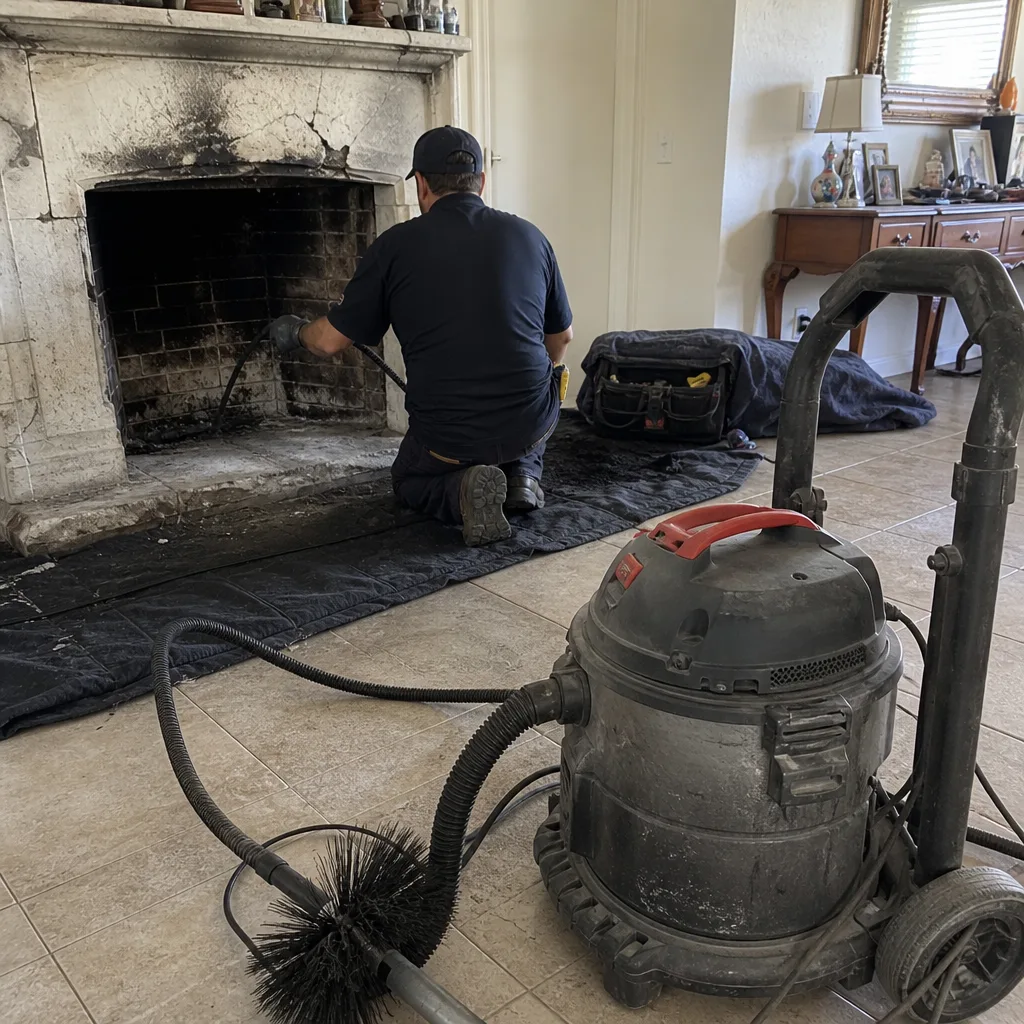 Before
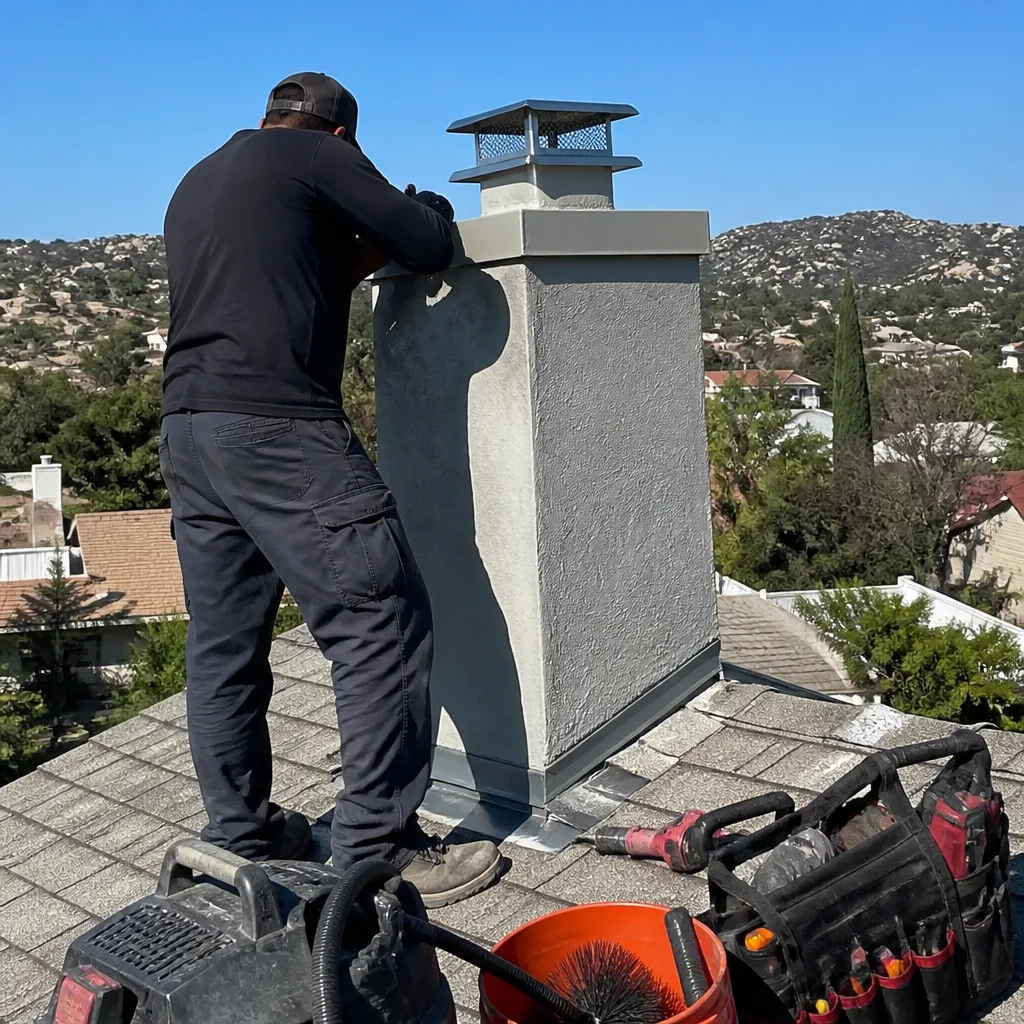 After
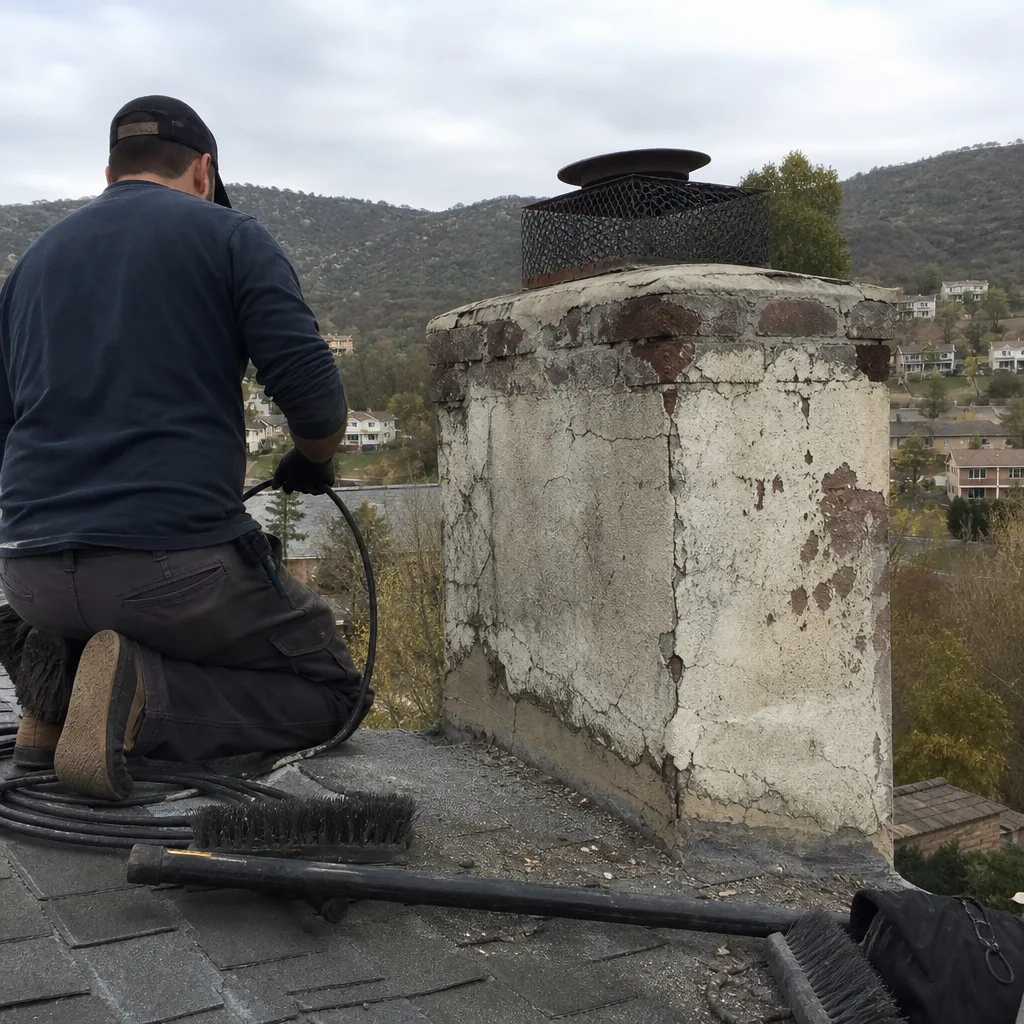 Before
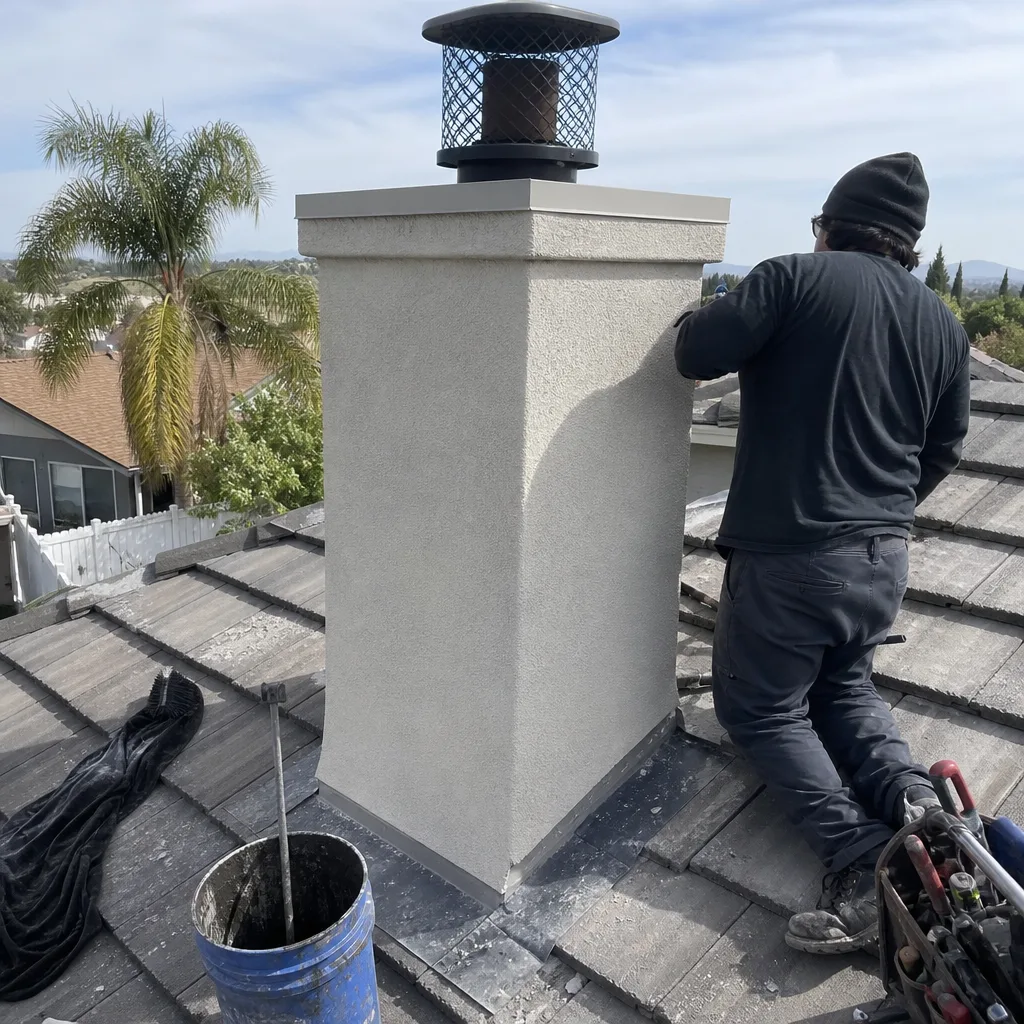 After
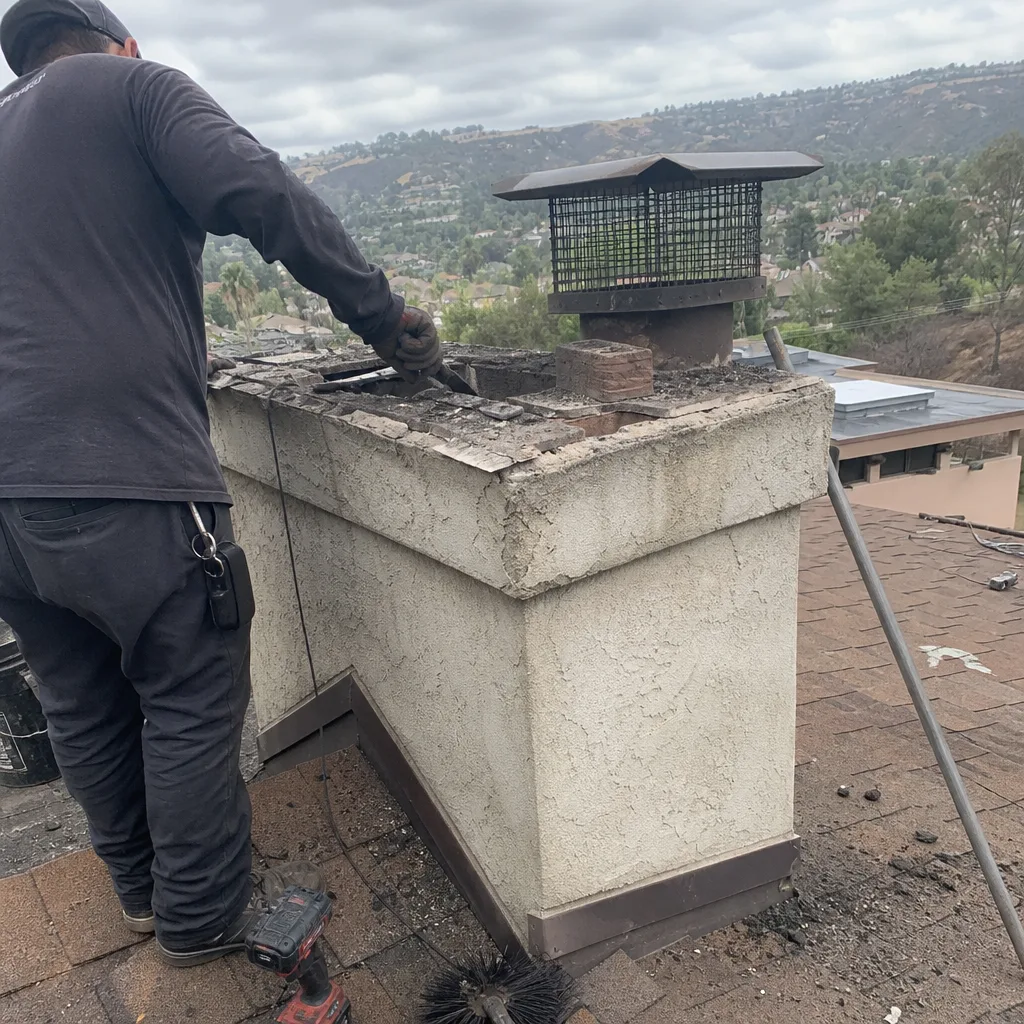 Before
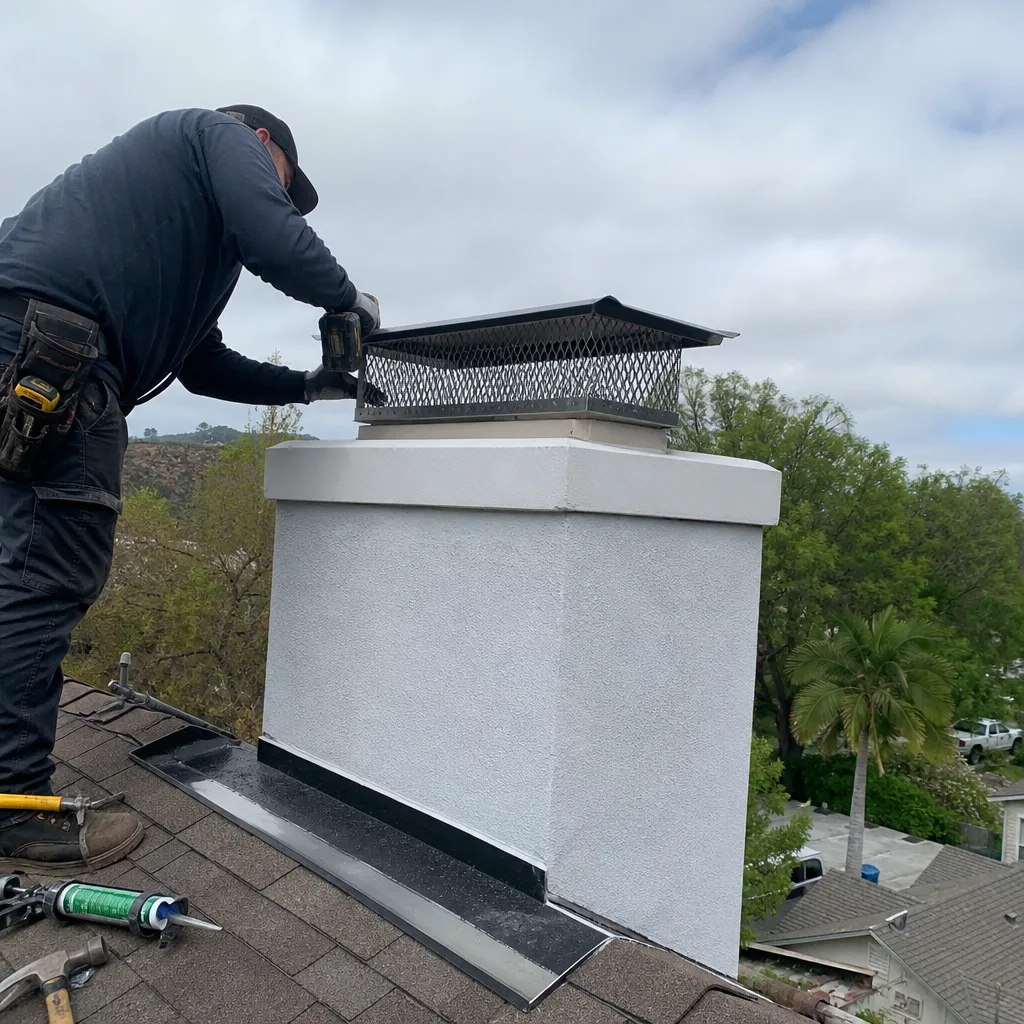 After
When to Call a Professional
Call a professional if you see any of the following: visible creosote buildup thicker than a credit card on flue walls, a damper that won’t seal fully or moves with difficulty, signs of animal nesting or odor that persists after using the fireplace, water staining inside the flue or on the ceiling near the chimney chase, or smoke that spills into the room during normal use. Also call if you haven’t had the chimney inspected within the past twelve months and you plan to use the fireplace this winter. Oakleaf Chimney Sweep offers free estimates in Escondido – call (855) 362-1450. Our techs carry professional products from HeatShield, Gelco, and Famco, and if we find damage during the sweep, we have the repair capability to fix it on the spot rather than sending you to a separate contractor. For more on what a proper sweep involves, see our Oakleaf Chimney Sweep home page, or if you’re in the neighboring community, our Chimney Sweep in San Marcos service area details apply.
Frequently Asked Questions
At least once per year, timed to either the March post-season window or the October pre-season window. Homes that burn wood more than twice a week or burn softer woods should sweep twice per year. Gas fireplaces need annual inspection but less frequent sweeping. If you’re not sure which schedule fits your usage, call (855) 362-1450 and we’ll help you figure it out. For details on our process, see the Chimney Sweep in San Marcos page for service descriptions that apply equally in Escondido.
A standard chimney sweep in Escondido typically costs between $180 and $340, depending on flue condition, accessibility, and whether the chimney has a cap that needs replacement. Glazed creosote removal, which is more common after an unswept summer, adds to the cost because it requires rotary tools and chemical treatment. We give a flat price before any work begins, and if we find damage during the sweep, we show you camera footage before recommending any repair. Call (855) 362-1450 for a free estimate.
Not necessarily. Hairline cracks in terra cotta liners don’t always require full relining. HeatShield liner restoration can resurface the interior of a damaged flue in many cases, rebuilding the liner’s integrity at a lower cost than a full replacement. The deciding factors are the extent and location of the cracks, whether the liner has shifted, and whether moisture has compromised the surrounding masonry. We’ll show you the camera footage and tell you which option your situation actually needs. Our Chimney Repair in San Marcos page covers the repair methods in more detail.
One skipped year rarely causes a fire, but it reliably makes the next cleaning harder and more expensive. Two skipped years in Escondido means summer heat has baked creosote into a glaze, Santa Ana winds have loaded the flue with dry debris at least twice, and the marine layer has had two full seasons to work on liner joints. The result is a chimney that needs rotary cleaning rather than standard brushing, and possibly liner repair that would have been unnecessary with earlier attention. Call (855) 362-1450 and we’ll assess what you’re working with.
Yes. Santa Ana conditions create negative pressure at the flue top that reverses normal draft direction. If your damper is open or doesn’t seal properly, that downflow carries ash, soot, and debris from the flue into the living space. A top-sealing damper from Famco or Gelco addresses this at the source, and a proper chimney cap limits how much debris enters the flue to begin with. If you’ve noticed ash on the hearth during windy days, your damper and cap both deserve a look.
It makes practical sense. Lint buildup follows the same fire-safety logic as creosote buildup, and addressing both systems on the same visit costs less than scheduling separate appointments. Oakleaf Chimney Sweep handles chimney sweeping, chimney repair, and dryer vent cleaning under one roof, so one call covers both hazards. Our Dryer Vent Cleaning in San Marcos page explains the dryer side in detail, and the service works the same way for Escondido homes.
The Bottom Line
Escondido’s chimney calendar has two seasons, not four. The long dormancy from March through October is where the real damage happens: summer heat hardens creosote, Santa Ana winds load the flue with dry debris, and marine layer moisture attacks metal liner joints. Two fixed checkpoints per year, one in March and one in October, address each failure mode before it becomes expensive. The March sweep keeps creosote from baking into glaze. The October check verifies the cap, damper, and flue before the first fire. Add dryer vent cleaning to the same schedule, and every fire-safety vent in your home operates on one rhythm, maintained by one company that can both find and fix problems on the same visit.
Written by the team at Oakleaf Chimney Sweep, serving Escondido since 2016.